


Conflict, Disasters, and Trauma- and Stressor-related Disorders
Jonathan Comer, Ph.D. (he/him/his)
Florida International University
Miami, Florida, United States
Daniel Dodgen, Ph.D. (he/him/his)
American Psychological Association
Washington, District of Columbia, United States

Clara Godoy-Henderson, M.S., Other (she/her/hers)
Boston University
Northborough, Massachusetts, United States
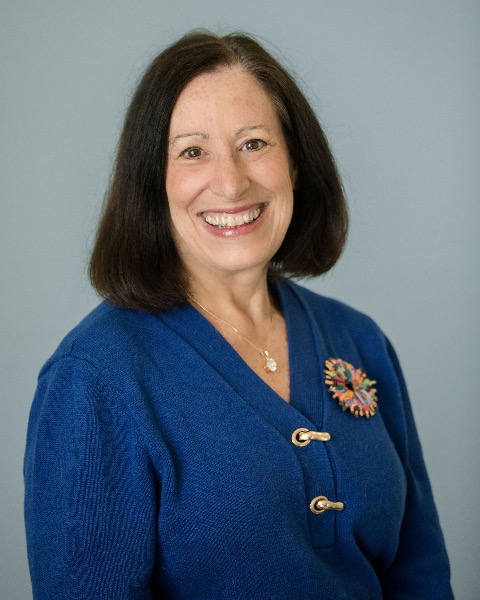
Robin Gurwitch, Ph.D. (she/her/hers)
Psychologist, Professor Emerita
RHG International Training and Consulting, PLLC
Durham, North Carolina, United States
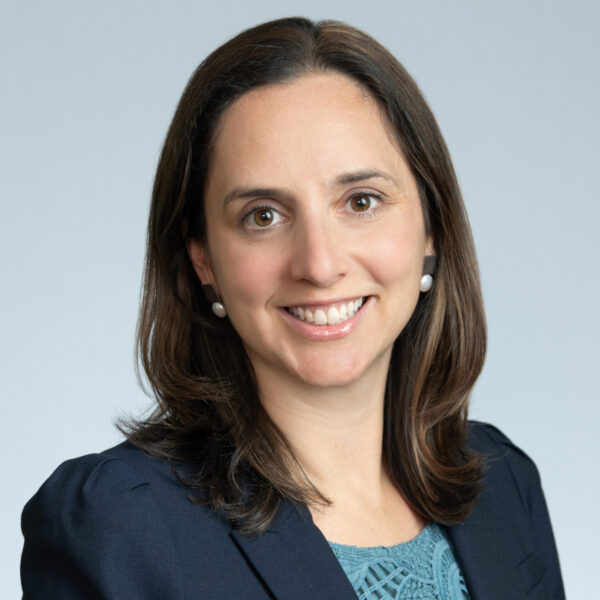
Jennifer Green, Ph.D. (she/her/hers)
Professor
Boston University Wheelock College of Education & Human Development
Boston, Massachusetts, United States
Disasters are on the rise and carry a heavy and sustained mental health toll. Youth are among the most vulnerable. Unfortunately, most professionals receive minimal training in evidence-based supports for disaster-affected youth. Further, the supply of local mental health professionals following disasters is often insufficient, highlighting the need to train workforces beyond just traditional mental health workers. Research shows training in trauma-informed supports for disaster-affected youth increases provider knowledge and skill, promotes use of supported practices, mitigates youth maladjustment, and improves statewide preparedness.
The SAMHSA-funded Network for Enhancing Wellness in Disaster-Affected Youth (NEW DAY) brings together a national consortium of leading experts in disaster preparedness, disaster recovery, and children's mental health to collaborate with disaster-hit regions and stakeholders to expand the scope and reach of evidence-based, trauma-informed, cognitive-behavioral interventions for youth exposed to disasters, mass violence, and public health crises. This symposium presents empirical findings and insights from NEW DAY’s extensive work providing trainings in disaster-mental health to >6,000 youth-serving professionals in the aftermath of mass traumas. Presentations include an overview of NEW DAY, as well as (i) breaking findings comparing the impacts of disaster mental health trainings for mental health providers (e.g., psychologists, counselors) vs non-mental-health professionals in the lives of youth (e.g., teachers, nurses, coaches, clergy); (ii) a presentation on Respond with CARE, a trauma-informed skillset grounded in supported parenting interventions for improving post-disaster adult-child relationships; and (iii) outcomes from a recent study developing and testing the new Readiness to Respond tool that assesses barriers that can affect a trained individual’s suitability, preparedness, and feasibility for serving in a disaster mental health responder role. Concluding comments from the US Administration for Strategic Preparedness and Response (ASPR)’s Dr. Daniel Dodgen will consider these findings in the context of optimizing federal and local responses to public health emergencies for youth and families.
Speaker: Clara Godoy-Henderson, M.S., Other (she/her/hers) – Boston University
Co-Author: Jonathan S. Comer, Ph.D. (he/him/his) – Florida International University
Co-Author: Jennifer Cortina, MHSI (she/her/hers) – Florida International University
Co-Author: Jennifer Greif Green, Ph.D. (she/her/hers) – Boston University Wheelock College of Education & Human Development
Speaker: Robin H. Gurwitch, Ph.D. (she/her/hers) – RHG International Training and Consulting, PLLC
Co-Author: Jami M. Furr, Ph.D. (she/her/hers) – Florida International University
Speaker: Jennifer Greif Green, Ph.D. (she/her/hers) – Boston University Wheelock College of Education & Human Development
Co-Author: Emily Barnes, B.A. – Boston University
Co-Author: Jonathan S. Comer, Ph.D. (he/him/his) – Florida International University