


Symposium
Conflict, Disasters, and Trauma- and Stressor-related Disorders
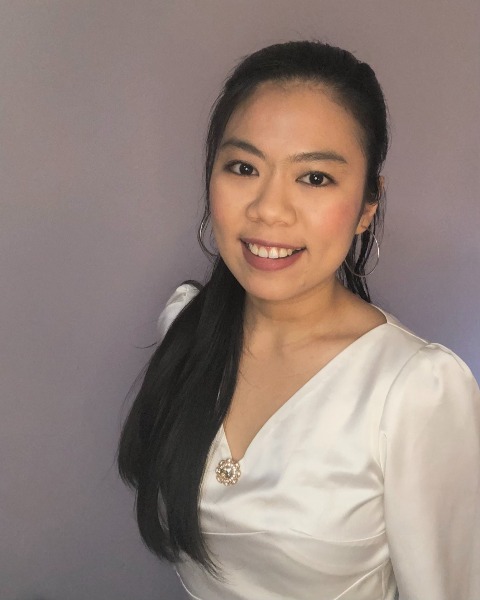
Phyu Pannu Khin, Ph.D. (she/her/hers)
Licensed Clinical Psychologist
Massachusetts General Hospital/Harvard medical School
Cambridge, Massachusetts, United States
Survivors of ongoing political violence often experience trauma that is chronic, collective, and embedded within broader social and political systems. This mixed-methods study examined the role of social support and social connection as sources of resilience among Myanmar survivors of the 2021 military coup, including queer survivors. Data were collected during the ongoing conflict from participants residing both within Myanmar and along the Thai–Myanmar border. Guided by a chronic traumatic stress framework (Fondacaro & Mazzulla, 2018), quantitative analyses assessed trauma exposure and mental health symptoms using the PTSD Checklist for DSM-5 (PCL-5), Patient Health Questionnaire (PHQ-9), Generalized Anxiety Disorder scale (GAD-7), and Alcohol Use Disorders Identification Test (AUDIT). Resilience was measured using the Adult Resilience Measure (ARM), which captures individual and collective resilience processes, including social support (Liebenberg & Moore, 2018).
Results indicated a dose–response relationship between trauma exposure and psychopathology and demonstrated that self-reported resilience significantly moderated the association between PTSD symptoms and alcohol use. Qualitative analyses of open-ended responses further revealed that participants conceptualized social support not primarily as verbal reassurance, but as support enacted through action, solidarity, shared responsibility, and mutual care. As one participant reflected, “If my grandparents survived the worst war before, I remember that—why can’t we do this too?” Another described what sustained them on the most challenging days: “We need each other in this nightmare. I can ask for help and volunteer for my community.” Together, these findings extend existing models of social support and resilience (Hobfoll et al., 2007; Walsh, 2007) by illustrating how support functions as collective meaning-making under conditions of ongoing political violence, with implications for trauma and caregiving frameworks chronically traumatized populations.