


Conflict, Disasters, and Trauma- and Stressor-related Disorders
Katherine van Stolk-Cooke, Ph.D. (she/her/hers)
SUNY College at Geneseo
Rochester, New York, United States
Debra Kaysen, ABPP, Ph.D.
Professor
Stanford University
Palo Alto, California, United States
Katherine van Stolk-Cooke, Ph.D. (she/her/hers)
SUNY College at Geneseo
Rochester, New York, United States
Natalie Thurston, B.A.
Research Assistant
Wayne State University
Detroit, Michigan, United States
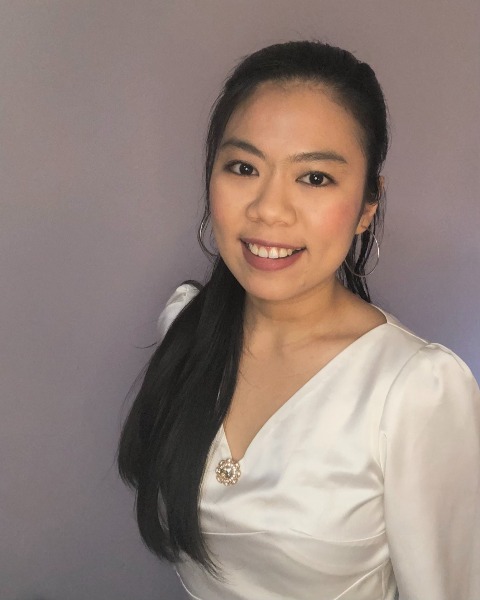
Phyu Pannu Khin, Ph.D. (she/her/hers)
Licensed Clinical Psychologist
Massachusetts General Hospital/Harvard medical School
Cambridge, Massachusetts, United States
Social support is widely understood to promote adjustment and recovery following trauma exposure (Ozer et al., 2003). Yet the existing literature on posttrauma social support overwhelmingly focuses on individual survivors’ perceptions of support availability and its correlation to symptom outcomes. This narrow focus neglects broader social-ecological processes that shape how support is enacted and experienced. Though social support is an interpersonal construct, few studies examine the perceptions, behaviors, capacities and sociocultural/contextual limitations of the supporters (van Stolk-Cooke et al., 2023). Moreover, while research on resilience acknowledges the importance of community-level processes, such as collective coping, that buffer against impacts of traumatic stress (Norris et al., 2008), particularly in instances where trauma is chronic or ongoing, these processes remain underrepresented in psychotraumatology. Consequently, existing models do not effectively capture how social resilience is created across interpersonal and collective contexts.
This symposium advances a social-ecological conceptualization of social support for trauma exposure by shifting analytic focus beyond individual survivors’ perceptions to include support provider experiences, examples of supportive communication, and collective forms of social support under conditions of chronic traumatic stress. Integrating quantitative, qualitative and mixed-methods research, we will examine how support processes operate, and sometimes fail, across interpersonal and communal contexts. Presentations will highlight hypothesized mechanisms through which support may facilitate or undermine recovery, with implications for trauma theory, assessment, and intervention.
The first presentation reports on a latent profile analysis of close significant others providing support to recent trauma survivors, with the goal of differentiating those who occupy this role with ease from those who may struggle. The second presentation examines a mismatch between the support close others think they provide and the advice-heavy language they may actually resort to, and how this tendency toward offering advice is linked to perceptions of poorer survivor recovery. The third presentation examines how social support and collective resilience buffer mental health impacts among Myanmar survivors of ongoing political violence, suggesting that support extends beyond verbal reassurance to include enacted solidarity, mutual care, and shared meaning-making amid ongoing trauma.
Collectively, presenters will draw on complementary expertise in post- and chronic-traumatic stress, supportive communication, interpersonal resilience processes, and mixed-methods research design. The discussant, a leading expert in traumatic stress with extensive research and treatment experience in traumatic stress, global mental health, and social and contextual determinants of trauma recovery, will draw on her expertise to explore the implications of the presentations for expanding existing models of social support and resilience, and guide a discussion of how these insights can inform future research, assessment and intervention efforts.
Speaker: Katherine van Stolk-Cooke, Ph.D. (she/her/hers) – SUNY College at Geneseo
Speaker: Natalie Thurston, B.A. – Wayne State University
Speaker: Phyu Pannu Khin, Ph.D. (she/her/hers) – Massachusetts General Hospital/Harvard medical School