


Conflict, Disasters, and Trauma- and Stressor-related Disorders
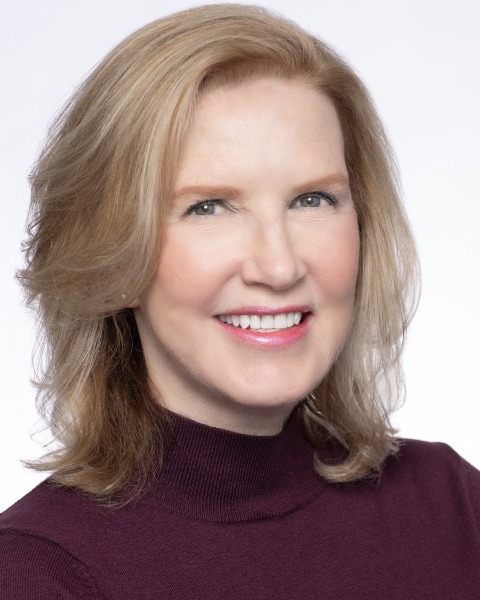
Marylene Cloitre, Ph.D. (she/her/hers)
Research Professor and Senior Research Scientist
New York University Silver School Of Social Work
New York, New York, United States
Anke Ehlers, Ph.D. (she/her/hers)
University of Oxford
Oxford, England, United Kingdom
Richard Bryant, B.A., Ph.D., PsyM
Scientia Professor, head of Traumatic Stress Clinic
University of New South Wales
Sydney, New South Wales, Australia
Marylene Cloitre, Ph.D. (she/her/hers)
Research Professor and Senior Research Scientist
New York University Silver School Of Social Work
New York, New York, United States
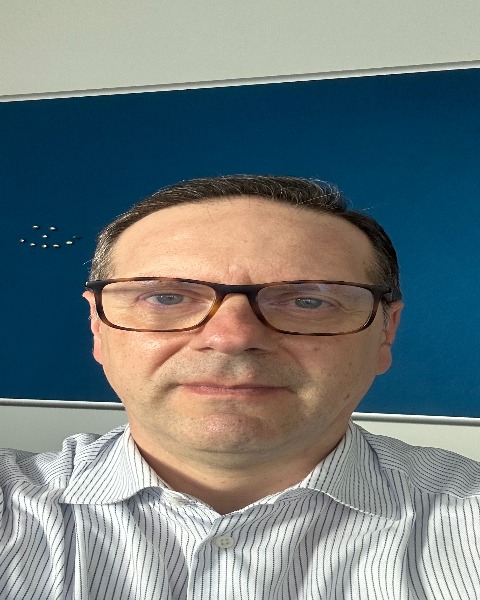
Thanos Karatzias, Ph.D. (he/him/his)
Edinburgh Napier University
Edinburgh, Scotland, United Kingdom
Anke Ehlers, Ph.D. (she/her/hers)
University of Oxford
Oxford, England, United Kingdom
Deborah Morris, Psy.D. (she/her/hers)
Centre for Developmental and Complex Trauma, UK
Northampton, England, United Kingdom
Posttraumatic stress disorder (PTSD) can develop after exposure to a broad range of traumatic events and shows heterogenous patterns of symptoms. Both the American Psychiatric Association and the World Health Organisation have acknowledged this heterogeneity in their latest diagnostic manuals. While DSM-5 broadened the definition of PTSD to include a new symptom cluster (alterations of cognitions and mood) and the addition of a dissociative subtype, the World Health Organisation introduced a distinction between ICD11-PTSD and complex PTSD (ICD-11 CPTSD) under a general parent category of Disorders Specifically Related to Stress in ICD-11.
This symposium will present some of the research leading to the ICD-11 revision, and current research on diagnostic and treatment development and evaluation stimulated by it. Marylene Cloitre will discuss research supporting the diagnostic distinction between ICD-11 PTSD and CPTSD, assessment tools, and emerging evidence of its clinical utility. Thanos Karatzis will present results of a randomized controlled trial comparing ESTAIR, a flexible 4-module intervention providing skills training in core areas of functioning (e.g., emotion regulation) and memory processing, with treatment as usual in veterans with CPTSD. Anke Ehlers will present results of a randomized controlled trial comparing a phased and a nonphased version of trauma-focused cognitive therapy for CPTSD following a wide range of traumas. The phased version included training in compassionate resilience. Deborah Morris will discuss evidence that borderline personality disorder and CPTSD are distinct disorders, but may be comorbid, and the need to develop evidence-based treatments for patients with dual diagnosis. Richard Bryant will be the discussant.
Speaker: Marylene Cloitre, Ph.D. (she/her/hers) – New York University Silver School Of Social Work
Speaker: Thanos Karatzias, Ph.D. (he/him/his) – Edinburgh Napier University
Co-Author: Mark Shevlin, Ph.D. (he/him/his) – University of Ulster
Co-Author: Marylene Cloitre, Ph.D. (she/her/hers) – New York University Silver School Of Social Work
Speaker: Anke Ehlers, Ph.D. (she/her/hers) – University of Oxford
Co-Author: Michael Duffy, Ph.D. (he/him/his) – Queens University Belfast
Co-Author: Deborah Lee, ph.D. (she/her/hers) – Berkshire Healthcare NHS Foundation Trust
Co-Author: Nick Grey, DClinPsy (he/him/his) – Sussex Partnership NHS Foundation Trust
Co-Author: Ly-Mee Yu, Ph.D. (she/her/hers) – University of Oxford
Speaker: Deborah J. Morris, Psy.D. (she/her/hers) – Centre for Developmental and Complex Trauma, UK