



Symposium
Conflict, Disasters, and Trauma- and Stressor-related Disorders
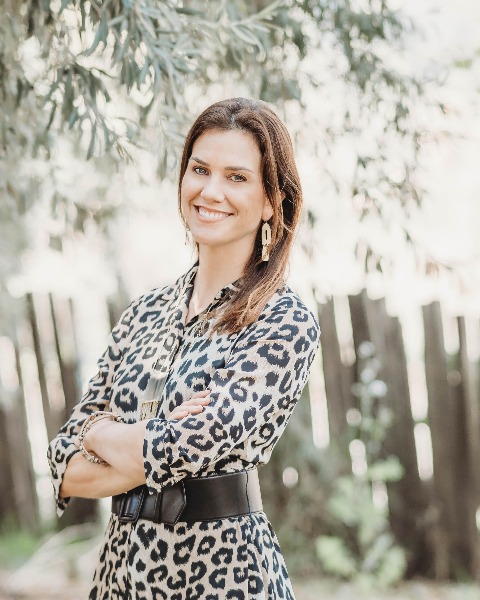
Adrienne Heinz, Ph.D.
VA National Center for PTSD and Stanford University
Healdsburg, California, United States
Sarah Senti, Ph.D.
UX research Director
VA National Center for PTSD and Stanford University
Menlo Park, California, United States
Jason Owen, Ph.D., MPH
research Scientist
VA National Center for PTSD and Stanford University
Menlo Park, California, United States
Margaret Mackintosh, Ph.D. (she/her/hers)
research Scientist
VA National Center for PTSD
Menlo Park, California, United States
Cody Boland, Ph.D.
Translational Clinical Scientist
VA
Stanford, California, United States
Tanisha Thelemaque, Ph.D.
Research Scientist
VA National Center for PTSD and Stanford University
Menlo Park, California, United States
Kelly Ramsey, BA
Health Science Specialist
National Center for PTSD - Dissemination and Training Division, VA Palo Alto Health Care System
Menlo Park, CA, United States
Katie Taylor, Psy.D., MPH
Mobile Apps product Manager
VA National Center for PTSD and Stanford University
Menlo Park, California, United States
Colleen Becket-Davenport, Ph.D.
Tech into Care Director
VA National Center for PTSD and Stanford University
Menlo Park, California, United States
The majority of people living with the deleterious impacts of climate on mental health will not receive the support they need to heal and adapt. Mental health services are costly, inconvenient to access, and stigmatized. Mobile mental health applications have the potential to expand the reach of evidence-based psychoeducation and coping tools for people struggling with climate and disaster related mental health symptoms (Ezeonu et al., 2024). Digital solutions are well-positioned to “meet people where they are,” knock down barriers to care, and accompany them throughout the recovery process. This presentation will discuss potential for technology to help meet the moment in addressing the rapidly accelerating climate and mental health crisis. Specifically it will showcase the model for the U.S. Department of Veterans Affairs National Center for PTSD, Public Digital Health Innovation Program (Owens et al., 2024) and share the newly updated PTSD Coach app as an example for how technology can help democratize access to mental health support during climate events and disasters. PTSD Coach was developed to help users manage stress and well-being related to traumatic experiences. It is free to use, publicly available to everyone, accessible on iOS and Android devices, and does not collect personal information. While PTSD Coach does not replace traditional treatment, it can be used as a scalable self-management resource to improve trauma- and PTSD-related symptoms or as a supplement to care (Possemato et al., 2016; Bröcker et al., 2023).
Bröcker, E., Suliman, S., Olff, M., & Seedat, S. (2023). Feasibility, acceptability, and effectiveness of web-based and mobile PTSD Coach: a systematic review and meta-analysis. European Journal of Psychotraumatology, 14(2), 2209469.
Ezeonu NA, Hertelendy AJ, Adu MK, et al: Mobile apps to support mental health response in natural disasters: scoping review. J Med Internet Res 2024; 26:e49929
Owen, J. E., Kuhn, E., Jamison, A. L., Ramsey, K. M., Taylor, K., Heinz, A., ... & Rosen, C. S. (2025). The National Center for PTSD Model for Digital Mental Health: A public sector approach to development, evaluation, implementation, and optimization of resources for helping trauma survivors. Psychological Trauma: Theory, Research, Practice, and Policy.
Possemato, K., Bergen‐Cico, D., Treatman, S., Allen, C., Wade, M., & Pigeon, W. (2016). A randomized clinical trial of primary care brief mindfulness training for veterans with PTSD. Journal of clinical psychology, 72(3), 179-193.