


Conflict, Disasters, and Trauma- and Stressor-related Disorders
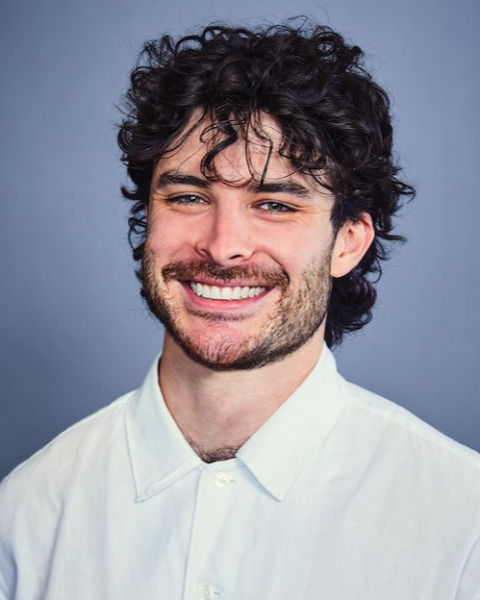
Jack Boyse, B.A. (he/him/his)
The University of Sydney
Sydney, California, United States
Jack Boyse, B.A. (he/him/his)
The University of Sydney
Sydney, California, United States
Jack Boyse, B.A. (he/him/his)
The University of Sydney
Sydney, California, United States
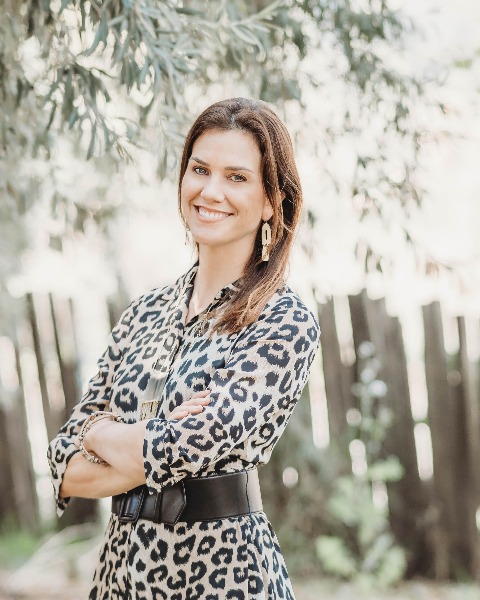
Adrienne Heinz, Ph.D.
VA National Center for PTSD and Stanford University
Healdsburg, California, United States
Jeremy Bekker, Ph.D. (he/him/his)
Postdoctoral Fellow
Portland Psychotherapy
Portland, Oregon, United States
Climate change is rapidly reshaping the landscape of mental health risk, demand, and care. Across populations and across the lifespan, climate-related stressors—including acute disasters, chronic environmental degradation, and anticipatory climate distress—are contributing to rising psychological burden. Yet existing mental health systems are poorly positioned to respond at the scale, speed, and duration required. Structural barriers such as cost, access, stigma, and workforce limitations mean that most individuals experiencing climate-related mental health impacts will not receive timely or adequate support. This gap between need and care is widening as climate impacts accelerate.
This symposium presents an integrated clinical synthesis of emerging evidence, global insights, neuropsychological perspectives, and scalable intervention approaches to argue for a necessary change in mental health practice in a changing climate. Collectively, the presentations demonstrate that climate-related psychological distress is not a marginal or future concern, but a present and growing determinant of mental health outcomes, service demand, and clinical complexity. Evidence highlights both direct impacts (e.g., trauma, stress, and cognitive effects following climate events) and indirect pathways (e.g., eco-anxiety, grief, and moral distress), as well as the uneven distribution of burden across age groups, cultures, and communities.
The symposium further underscores the need for clinical models that extend beyond traditional one-to-one care. Digital mental health tools, population-level psycho-education, and community-based supports are presented as essential complements to existing services, with the potential to expand reach, reduce inequities, and support recovery and adaptation in climate-affected contexts. Together, these contributions make a compelling case that psychology must adapt—conceptually, clinically, and structurally—to remain effective in a changing climate. Preparing the discipline will require integrating climate literacy into training, developing climate-responsive therapeutic frameworks, and embracing innovative delivery models capable of meeting emerging mental health needs at population scale.
Speaker: Jack B. Boyse, B.A. (he/him/his) – The University of Sydney
Co-Author: Louise Sharpe, Ph.D. – University of Sydney
Co-Author: Eliza-Rose Gordon, B.A. (she/her/hers) – The University of Sydney
Co-Author: Rachel Menzies, M.C.P, PhD. (she/her/hers) – The University of Sydney
Speaker: Robin Cooper, M.D.
Speaker: Adrienne Heinz, Ph.D. – VA National Center for PTSD and Stanford University
Co-Author: Sarah Senti, Ph.D. – VA National Center for PTSD and Stanford University
Co-Author: Jason Owen, Ph.D., MPH – VA National Center for PTSD and Stanford University
Co-Author: Margaret Mackintosh, Ph.D. (she/her/hers) – VA National Center for PTSD
Co-Author: Cody Boland, Ph.D. – VA
Co-Author: Tanisha Thelemaque, Ph.D. – VA National Center for PTSD and Stanford University
Co-Author: Kelly Ramsey, BA – National Center for PTSD - Dissemination and Training Division, VA Palo Alto Health Care System
Co-Author: Katie Taylor, Psy.D., MPH – VA National Center for PTSD and Stanford University
Co-Author: Colleen Becket-Davenport, Ph.D. – VA National Center for PTSD and Stanford University
Speaker: Jeremy Bekker, Ph.D. (he/him/his) – Portland Psychotherapy
Co-Author: Jeremy Bekker, Ph.D. (he/him/his) – Portland Psychotherapy
Co-Author: Thomas Doherty, Psy.D (he/him/his) – Self Sustain