


LGBTQIA+
Michael Newcomb, Ph.D. (he/him/his)
Associate Professor
Northwestern University Feinberg School of Medicine
Chicago, Illinois, United States
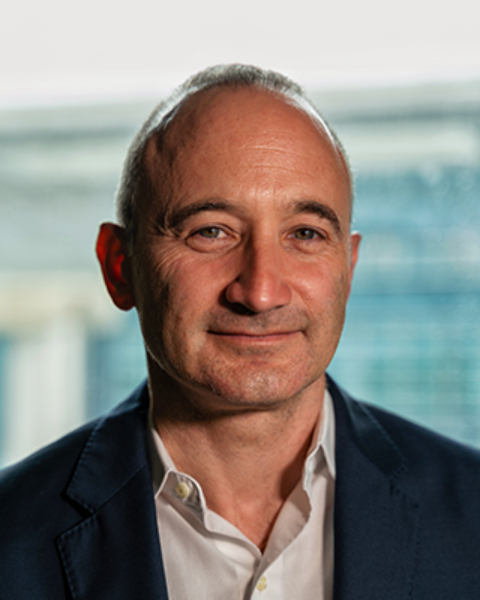
Steven Safren, ABPP, Ph.D.
Professor
University of Miami
Miami, Florida, United States
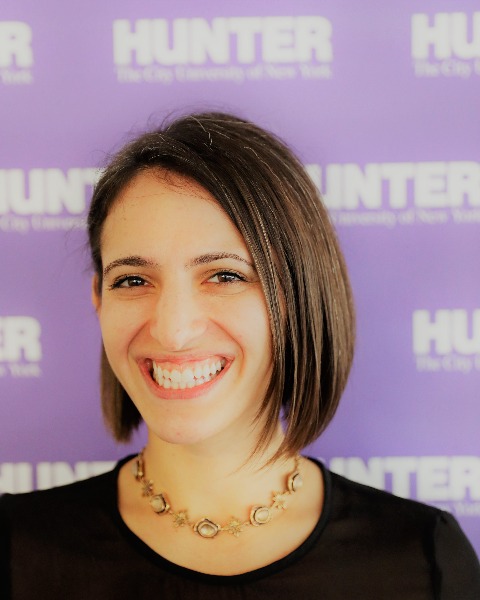
Danielle Berke, Ph.D. (she/her/hers)
Assistant Professor
Hunter College
New York, New York, United States
Charles Kamen, M.P.H., Ph.D. (he/him/his)
University of Rochester
Rochester, New York, United States
Michael Newcomb, Ph.D. (he/him/his)
Associate Professor
Northwestern University Feinberg School of Medicine
Chicago, Illinois, United States
Kathryn Macapagal, M.Ed., Ph.D. (she/her/hers)
Research Associate Professor
Northwestern University Feinberg School of Medicine
Chicago, Illinois, United States
Lesbian, gay, bisexual, transgender, and queer (LGBTQ) people experience numerous health inequities relative to their cisgender and heterosexual peers, including in mental health, relational outcomes (e.g., violence), sexual health, and cancer. Behavioral health interventions for LGBTQ people are effective at improving health, but these interventions are not reaching individuals who need them most. Traditional venues for implementing effective interventions include hospitals/clinics, community health organizations, public health departments, and industry. While the field of implementation science has advanced understanding of how to engage these settings to implement interventions, programs designed specifically for LGBTQ populations are more challenging to implement for numerous reasons. First, larger organizations (e.g., hospitals/clinics, industry) are reluctant to implement LGBTQ-focused programs because they are a relatively smaller segment of the population, so the effort is seen as “not worth it” or “unprofitable.” Second, public health funding depends on the political context, which is currently less affirming of LGBTQ individuals, limiting health department implementation opportunities. Finally, community-based organization, particularly those serving LGBTQ communities, are often interested in implementing proven programs but lack the resources to stand them up.
Thus, it is critical that academics who develop LGBTQ behavioral health interventions study barriers and facilitators implementation a priori and work with favorable implementation settings to optimize reach. Our four presentations will highlight innovative approaches to studying implementation of LGBTQ health programs. First, Dr. Danielle Berke will present findings from a pilot implementation trial of a behavioral activation/exposure therapy group-based intervention tailored for transgender women of color. Findings will be discussed in terms of concrete, evidence-based guidelines for supporting community-based organizations in CBT delivery. Second, Dr. Charles Kamen will present findings from focus groups conducted to adapt a behavioral intervention aimed at enhancing quality of life among cancer survivors and caregivers to the needs of LGBTQ patients. These efforts were conducted to enhance intervention acceptability and reach during future implementation. Third, Dr. Michael Newcomb will present findings from key stakeholder interviews conducted in the context of an implementation-effectiveness trial of a digital relationship education and HIV prevention program for LGBTQ youth. He will highlight preparatory work conducted prior to an implementation study of this intervention in an psychotherapy practice. Fourth, Dr. Kathryn Macapagal will present strategies that demonstrate how capitalizing on interests and issues that are salient to LGBTQ adolescents’ everyday lives (e.g., mental health, hobbies, social ties) can increase interest, accessibility, and implementability of HIV prevention approaches. Finally, Dr. Steven Safren will provide a summary, highlight key innovations in preparing for future implementation of LGBTQ behavioral health programs, and facilitate discussion.
Speaker: Danielle S. Berke, Ph.D. (she/her/hers) – Hunter College
Speaker: Charles Stewart Kamen, M.P.H., Ph.D. (he/him/his) – University of Rochester
Co-Author: Nora Akcasu, MPH – Wayne State University
Co-Author: Francisco Cartujano Barrera, MD – University of Rochester
Co-Author: Valerie Chiodo, BSN, RN – University of Rochester
Co-Author: Linda Donahue, LCSW – University of Rochester
Co-Author: Brian Holloway, BA – University of Rochester
Co-Author: Milena Insalaco, BA – University of Rochester
Co-Author: Heidi Miller, MPH – University of Rochester
Co-Author: Lelaina Nagle, BA – University of Rochester
Co-Author: Matt Poquadeck, MS – University of Rochester
Co-Author: Hayley Thompson, PhD – Wayne State University
Co-Author: Karen Young, BA – University of Rochester
Co-Author: Theresa Hastert, PhD – Wayne State University
Speaker: Michael E. Newcomb, Ph.D. (he/him/his) – Northwestern University Feinberg School of Medicine
Co-Author: Emils Sietins, MA – Northwestern University Feinberg School of Medicine
Co-Author: Dennis Li, Ph.D. (he/him/his) – Northwestern University
Co-Author: Kathryn Macapagal, M.Ed., Ph.D. (she/her/hers) – Northwestern University Feinberg School of Medicine
Co-Author: Brian Mustanski, Ph.D. – Northwestern University
Speaker: Kathryn Macapagal, M.Ed., Ph.D. (she/her/hers) – Northwestern University Feinberg School of Medicine