



Artificial Intelligence and Technology-based Interventions

Shannon Wiltsey Stirman, Ph.D. (she/her/hers)
Associate Professor/Acting Deputy Director
National Center for PTSD and Stanford University
Menlo Park, California, United States

Roz Shafran, Ph.D. (she/her/hers)
Emeritus Professor of Translational Psychology
UCL Great Ormond Street Institute of Child Health
Radlett, England, United Kingdom

Tianyu Zhang, M.S.
University College London
London, England, United Kingdom
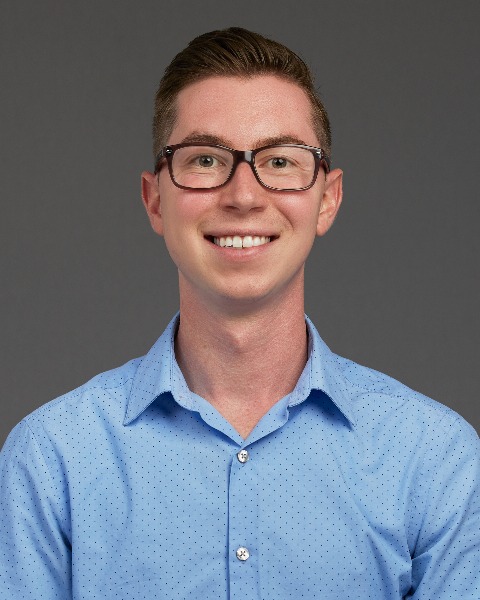
Daniel Szoke, Ph.D. (he/him/his)
Rush University Medical Center
Chicago, Illinois, United States
Shannon Wiltsey Stirman, Ph.D. (she/her/hers)
Associate Professor/Acting Deputy Director
National Center for PTSD and Stanford University
Menlo Park, California, United States
A substantial gap persists between research evidence and clinical practice, particularly in low‑resource mental health settings. One major barrier to expanding access to cognitive and behavioral therapies (CBT) is the limited availability of clinicians trained to deliver high‑quality, protocol‑consistent care. Although artificial intelligence (AI) is not yet suitable for direct clinical service, it offers promising opportunities to enhance the scalability, efficiency, and quality of CBT training and supervision. AI‑enabled tools can simulate patients for assessment and therapy practice, provide real‑time personalized feedback, support fidelity monitoring, offer just‑in‑time consultation, and guide clinicians in delivering culturally responsive CBT.
This symposium presents three use cases illustrating how AI can strengthen CBT training and implementation. Collectively, these tools aim to support therapists in learning CBT skills, maintaining fidelity to core protocols and principles, and providing feedback aligned with established models of CBT protocols and supervision practices. AI feedback in these tools ranges from interaction level, individual skill level, and full session-level feedback, illustrating ways that AI can be used to provide in-the-moment feedback in low-stakes simulations and to encourage additional practice. Presentations will describe design processes, mechanisms for ensuring safety and clinical appropriateness, and embedded fidelity evaluation methods. Early feasibility and acceptability findings will be shared, along with next steps for advancing these tools and generating the rigorous evidence needed to establish their reliability and effectiveness.
The first presentation introduces CBT Trainer, a virtual patient platform that delivers real‑time feedback based on validated CBT competence measures, along with results from a feasibility and acceptability study involving 59 therapist trainees. The second presentation describes Socrates Coach, a multi‑agent large language model designed to simulate and coach clinicians in Socratic dialogue. The third presentation is an overview of a suite of AI‑supported tools for CBT training and implementation, with feasibility data for use cases for CBT training. The discussant will address the potential of LLM‑based tools as well as key challenges, including the need for high‑quality training datasets, ethical and safety considerations, equitable deployment in low‑resource settings, and the importance of ongoing evaluation and rigorous research.
Speaker: Tianyu Zhang, M.S. – University College London
Co-Author: Rob Saunders, Ph.D. (he/him/his) – University College London
Co-Author: Steve Pilling, Prof – University College London
Co-Author: Ciarán O'Driscoll, Dr – University College London
Speaker: Daniel Szoke, Ph.D. (he/him/his) – Rush University Medical Center
Co-Author: Ilana Hutzler, BA (she/her/hers) – Rush University Medical Center
Co-Author: Sarah Pridgen, M.A. – Rush University Medical Center
Co-Author: Katy Dondanville, PsyD, ABPP – The University of Texas Health Science Center at San Antonio
Co-Author: David C. Rozek, ABPP, Ph.D. – University of Central Florida
Co-Author: Philip Held, PhD – Rush University
Speaker: Shannon L. Wiltsey Stirman, Ph.D. (she/her/hers) – National Center for PTSD and Stanford University
Co-Author: Elizabeth Stade, PhD (she/her/hers) – Stanford University
Co-Author: Andy Schwartz, PhD (he/him/his) – Vanderbilt University
Co-Author: Philip Held, PhD – Rush University
Co-Author: Stefanie LoSavio, ABPP, Ph.D. – The University of Texas Health Science Center at San Antonio
Co-Author: Debra Kaysen, ABPP, Ph.D. – Stanford University
Co-Author: Craig S. Rosen, Ph.D. – U.S. Department of Veterans Affairs
Co-Author: Torrey Creed, Ph.D. (she/her/hers) – University of Pennsylvania
Co-Author: Katy Dondanville, PsyD, ABPP – The University of Texas Health Science Center at San Antonio
Co-Author: Johannes Eichsteadt, PhD (he/him/his) – STANFORD UNIVERSITY