


Symposium
Interventions and Care Delivery Models in the Context of Resource Limitations
.jpeg.jpg "Christine Bird, Ph.D. photo")
Christine Bird, Ph.D.
Postdoctoral Fellow
Stanford University
Moutain View, California, United States
Aarthi Padmanabhan, Ph.D. (she/her/hers)
Head of Research
Talkspace
Los Angeles, California, United States
Booil Jo, PhD (she/her/hers)
Professor
Stanford University
PALO ALTO, California, United States
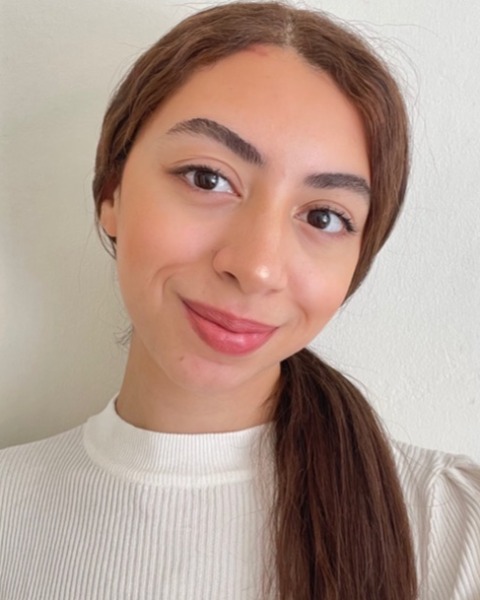
Sohayla Elhusseini, B.A.
Student
University of Kentucky
San Carlos, California, United States
Emily Peake, M.A. (she/her/hers)
Research Coordinator
Talkspace
New York, New York, United States
Szu-Chi Huang, PhD
Associate Professor of Marketing
Stanford Graduate School of Business
Palo Alto, California, United States
Katy Dondanville, PsyD, ABPP
Associate Professor
The University of Texas Health Science Center at San Antonio
San Antonio, TX, United States
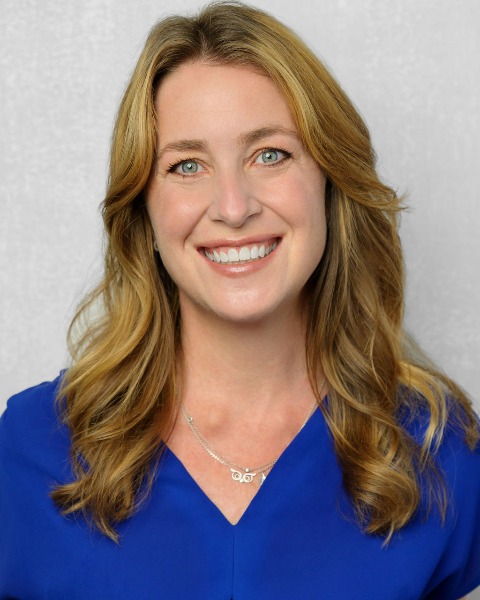
Shannon L. Wiltsey Stirman, Ph.D. (she/her/hers)
Associate Professor/Acting Deputy Director
National Center for PTSD and Stanford University
Menlo Park, California, United States
Background: Evidence-based treatments for Post-Traumatic Stress Disorder (PTSD), such as Cognitive Processing Therapy (CPT), demonstrate high efficacy but are frequently undermined by poor patient engagement. Maintaining consistent participation is a significant challenge in trauma-informed care. Altruistic incentives may offer a unique motivational pathway by fostering a sense of agency and connectedness. Building on the previously presented findings across treatment conditions (Talk 1) the current study (Talk 2) investigates the impact of a novel "pay-it-forward" engagement model.
Methods: Participants (N = 378; mean Age [SD] = 37.89 [11.48]) were randomized to either Reminder as Usual (RAU) or RAU + Incentive (RAU+I). In the RAU+I condition, clients were informed that if they messaged their therapist an average of four or more days per week for one month, one month of free therapy would be donated to another individual with PTSD. We employed longitudinal mixed-effects modeling to compare the trajectory of treatment response between reminder/incentive conditions. Beyond clinical outcomes (PTSD and depression symptoms), we will examine engagement metrics (e.g. weeks in treatment). Additionally, we will investigate behavioral intention (motivation) as a potential mediating mechanism.
Results: Preliminary results indicate that both PTSD and depression symptoms significantly improved over time across both the RAU and RAU+I conditions. However, participants in the RAU+I condition demonstrated a significantly faster rate of improvement in depressive symptoms compared to the RAU group. By the conclusion of the treatment phase, the RAU+I group exhibited superior reduction in depression scores, yielding a statistically significant group difference (Cohen’s d=0.30). We will also present whether incentives had an impact on engagement.
Conclusion: These findings suggest that pay-it-forward incentives may enhance clinical outcomes, particularly for depressive symptoms within a PTSD population. Reframing treatment adherence as a prosocial act, the "pay-it-forward" model may mitigate the reduced motivation often associated with trauma and depression. These results provide a proof-of-concept for integrating social-incentive structures into digital manualized therapies, suggesting that when patients help others, they may accelerate their own recovery. Future research should investigate the long-term sustainability of these gains and the scalability of incentive models in diverse clinical settings.