


Interventions and Care Delivery Models in the Context of Resource Limitations
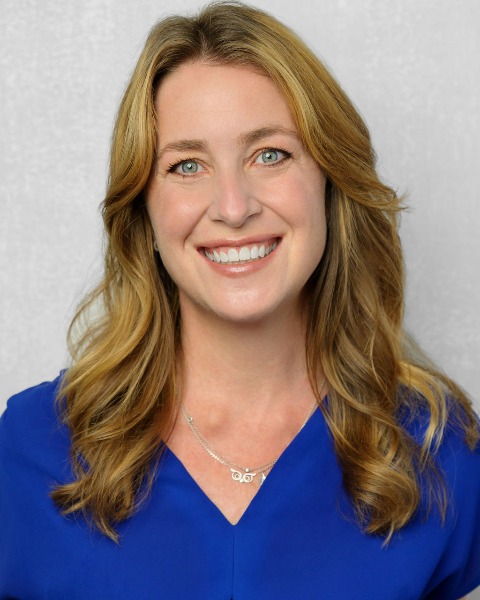
Shannon Wiltsey Stirman, Ph.D. (she/her/hers)
Associate Professor/Acting Deputy Director
National Center for PTSD and Stanford University
Menlo Park, California, United States
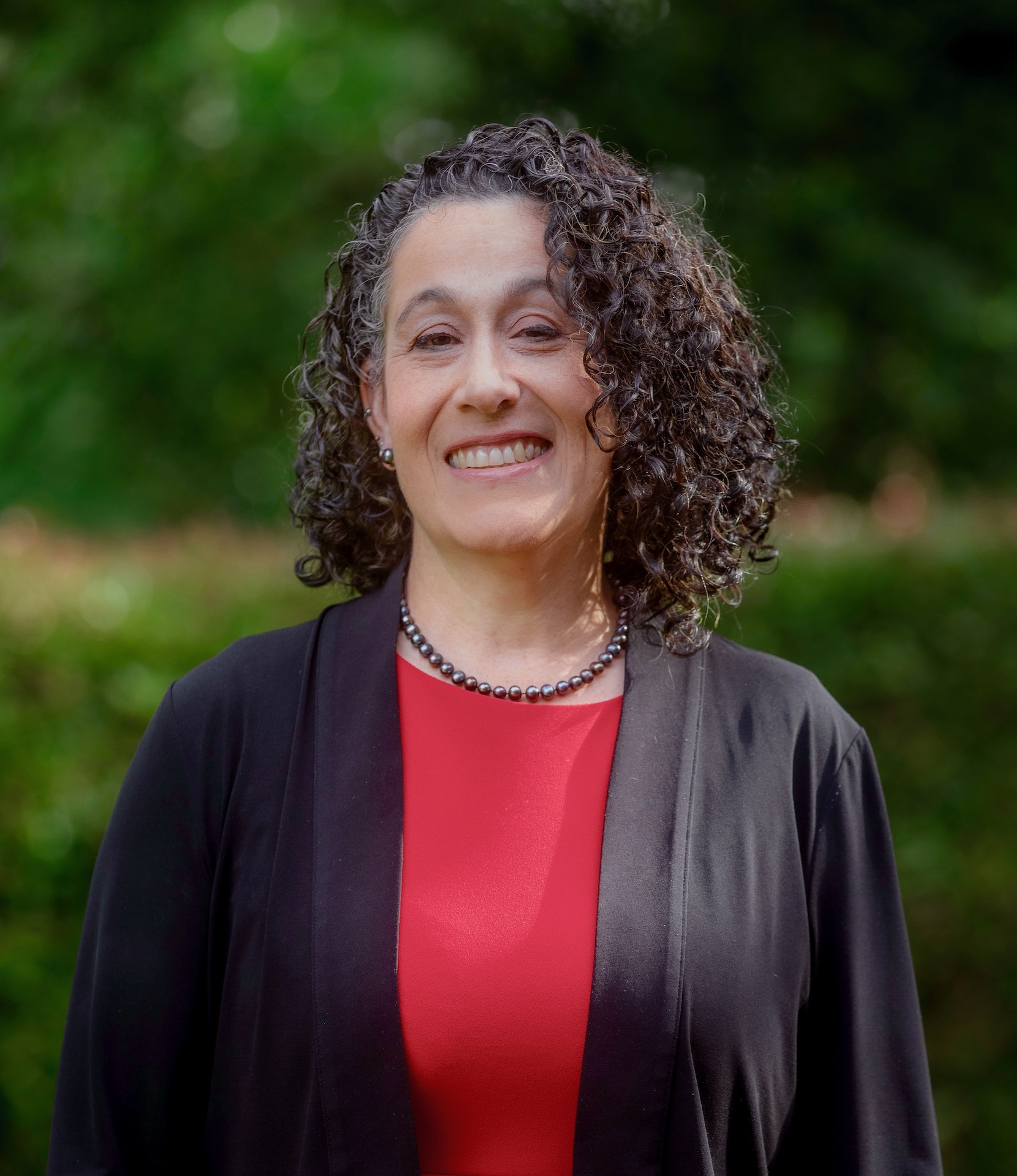
Debra Kaysen, ABPP, Ph.D.
Professor
Stanford University
Palo Alto, California, United States
Shannon Wiltsey Stirman, Ph.D. (she/her/hers)
Associate Professor/Acting Deputy Director
National Center for PTSD and Stanford University
Menlo Park, California, United States
Aarthi Padmanabhan, Ph.D. (she/her/hers)
Head of Research
Talkspace
Los Angeles, California, United States
Katy Dondanville, PsyD, ABPP
Associate Professor
The University of Texas Health Science Center at San Antonio
San Antonio, TX, United States
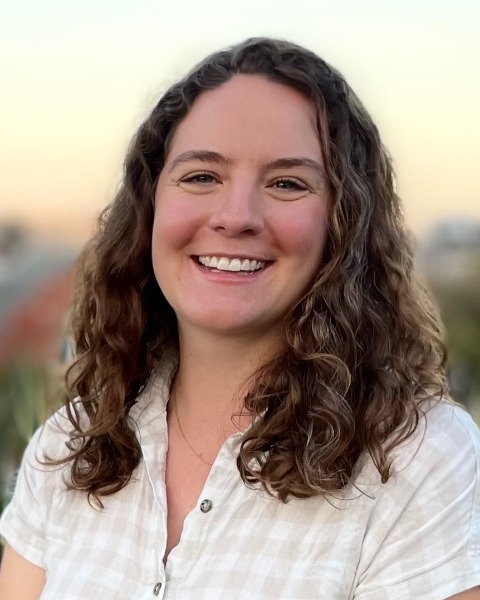
Elizabeth Stade, PhD (she/her/hers)
Postdoctoral fellow
Stanford University
PALO ALTO, California, United States
Many individuals with PTSD lack access to, or do not wish to pursue traditional forms of psychotherapy. Additionally, engagement in treatment, including digital mental health strategies, is often low, and engagement typically drops off before symptom improvement can occur. Asynchronous texting‑based therapy may offer a more acceptable, flexible, and accessible format for individuals who are less likely to engage in in‑person or web‑based programs. Recent research has found that asynchronous messaging therapy can be effective for depressed individuals and suggest promising results for PTSD, but prior to this study, there have been no adequately powered studies for PTSD.
This symposium presents a Hybrid Type 1 effectiveness‑implementation trial (n=378) designed to compare CPT‑Text with text‑based TAU using a HIPAA‑compliant secure messaging platform. This pragmatic, hybrid type 1 implementation-effectiveness randomized controlled trial used a 2×2 factorial design to evaluate (1) messaging-based cognitive processing therapy (CPT-Text) versus culturally informed treatment as usual (CI-TAU), and (2) standard reminders (RAU) versus reminders plus retention incentives (RAU+I), delivered via the HIPAA-compliant Talkspace platform. The study examines treatment outcomes, engagement patterns, moderators, and mechanisms—including motivation—and evaluates a novel Artificial Intelligence (AI)-based approach to assessing fidelity in messaging‑based interventions.
The first presentation provides an overview of the study design and reports main clinical outcomes and moderators by treatment condition. The second presentation focuses on engagement strategies, comparing RAU and RI on engagement trajectories, treatment response, and motivational processes. The third presentation examines therapy content and fidelity across both treatment conditions, highlighting how therapists deliver CPT‑Text and TAU in asynchronous formats. The fourth presentation introduces an emerging large language model (LLM)–based fidelity assessment approach, demonstrating how automated methods may support scalable quality monitoring in DMH interventions.
The discussant will focus on implications for providing scalable, innovative models of care for individuals who don’t access therapy.
Together, these presentations offer the first comprehensive evaluation of text‑based PTSD treatment at scale, advancing understanding of how to promote sustained engagement, ensure fidelity, and expand access to evidence‑based care through secure messaging platforms.
Speaker: Shannon L. Wiltsey Stirman, Ph.D. (she/her/hers) – National Center for PTSD and Stanford University
Co-Author: Amber Calloway, Ph.D. (she/her/hers) – University of Pennsylvania
Co-Author: Sohayla Elhusseini, B.A. – University of Kentucky
Co-Author: Booil Jo, PhD (she/her/hers) – Stanford University
Co-Author: Aarthi Padmanabhan, Ph.D. (she/her/hers) – Talkspace
Co-Author: Stefanie LoSavio, ABPP, Ph.D. – The University of Texas Health Science Center at San Antonio
Co-Author: Brittany Hall Clark, PhD (she/her/hers) – University of Texas Health Sciences Center for San Antonio
Co-Author: Derrick Hull, PhD (he/him/his) – Slingshot AI
Co-Author: Emily Peake, M.A. (she/her/hers) – Talkspace
Co-Author: Szu-Chi Huang, PhD – Stanford Graduate School of Business
Co-Author: Elizabeth Stade, PhD (she/her/hers) – Stanford University
Co-Author: Bailee Schuhmann, PhD (she/her/hers) – University of Texas Health Sciences Center for San Antonio
Co-Author: Katy Dondanville, PsyD, ABPP – The University of Texas Health Science Center at San Antonio
Speaker: Christine Bird, Ph.D. – Stanford University
Co-Author: Aarthi Padmanabhan, Ph.D. (she/her/hers) – Talkspace
Co-Author: Booil Jo, PhD (she/her/hers) – Stanford University
Co-Author: Sohayla Elhusseini, B.A. – University of Kentucky
Co-Author: Emily Peake, M.A. (she/her/hers) – Talkspace
Co-Author: Szu-Chi Huang, PhD – Stanford Graduate School of Business
Co-Author: Katy Dondanville, PsyD, ABPP – The University of Texas Health Science Center at San Antonio
Co-Author: Shannon L. Wiltsey Stirman, Ph.D. (she/her/hers) – National Center for PTSD and Stanford University
Speaker: Katy Dondanville, PsyD, ABPP – The University of Texas Health Science Center at San Antonio
Co-Author: Amber Calloway, Ph.D. (she/her/hers) – University of Pennsylvania
Co-Author: Stefanie LoSavio, ABPP, Ph.D. – The University of Texas Health Science Center at San Antonio
Co-Author: Bailee Schuhmann, PhD (she/her/hers) – University of Texas Health Sciences Center for San Antonio
Co-Author: Brittany Hall Clark, PhD (she/her/hers) – University of Texas Health Sciences Center for San Antonio
Co-Author: Christine Bird, Ph.D. – Stanford University
Co-Author: Shannon L. Wiltsey Stirman, Ph.D. (she/her/hers) – National Center for PTSD and Stanford University
Speaker: Elizabeth Stade, PhD (she/her/hers) – Stanford University
Co-Author: Samuel Campione, M.A. (he/him/his) – Stanford University
Co-Author: Sohayla Elhusseini, B.A. – University of Kentucky
Co-Author: Katy Dondanville, PsyD, ABPP – The University of Texas Health Science Center at San Antonio
Co-Author: Stefanie LoSavio, ABPP, Ph.D. – The University of Texas Health Science Center at San Antonio
Co-Author: H. Andrew Schwartz, PhD – Vanderbilt University
Co-Author: Johannes Eichstaedt, Ph.D. (he/him/his) – Stanford University
Co-Author: Shannon L. Wiltsey Stirman, Ph.D. (she/her/hers) – National Center for PTSD and Stanford University