



Symposium
Interventions and Care Delivery Models in the Context of Resource Limitations
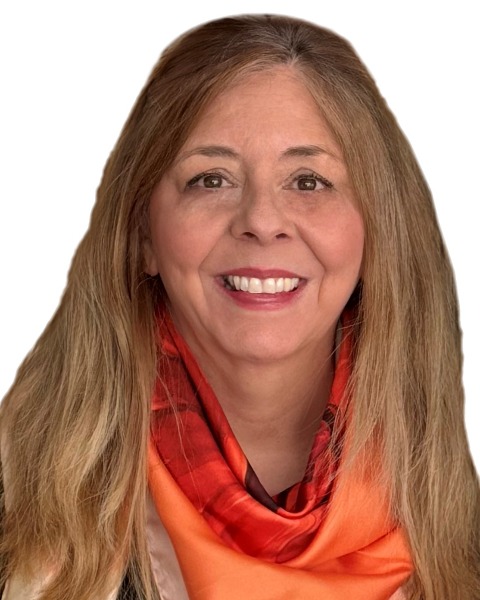
Lynn Courey, B.A. (she/her/hers)
The Sashbear Foundation
Etobicoke, Ontario, Canada
Borderline personality Disorder is a high prevalence and often chronic mental health condition. Prevalence estimates of personality disorders in outpatient and inpatient samples are 92% in outpatient services and up to 66% in inpatient services (Huxley et al, 2019). It is characterised by chronic patterns of affective instability, difficulties in interpersonal relationships, hehavioral dysregulation and alterations in cognitive processes. The rate of suicide attempts is 60-70% and of completed suicide is 5-10% (Lieb et al. 2004). A significant proportion of inpatients and patients followed in outpatient clinics It is associated with significant more impairment at work, in social relationships and at leisure than patients with major depressive disorder (Skodol et al, 2002). This creates challenges in close relationships. Studies show that carers experience elevated objective and subjective burden, grief, impaired empowerment and mental health problems, including depression and anxiety. The burden can be greater than for family members of patients with other serious mental illnesses. Different psychotherapeutic approaches have been shown to be effective for the treatment of borderline personality disorder but interventions targeting family members, including their influence on the treatment of patients with BPD as well as on the wellbeing of family members, have been relatively understudied (Guillen et al, 2020). This symposium will start with an overview of the evidence base for interventions for family members and carers of patients with borderline personality disorder then go on to describe the Family connections program, an adaptation of dialectical behavior skills training for family members, shown to decrease the subjective experience of burden, perceived discomfort, depression and grief and an increase in relative’s coping strategies (Flynn et al, 2017). A group leader, family member and loved one with a diagnosis of BPD will share their expertise and lived experience.