



Artificial Intelligence and Technology-based Interventions
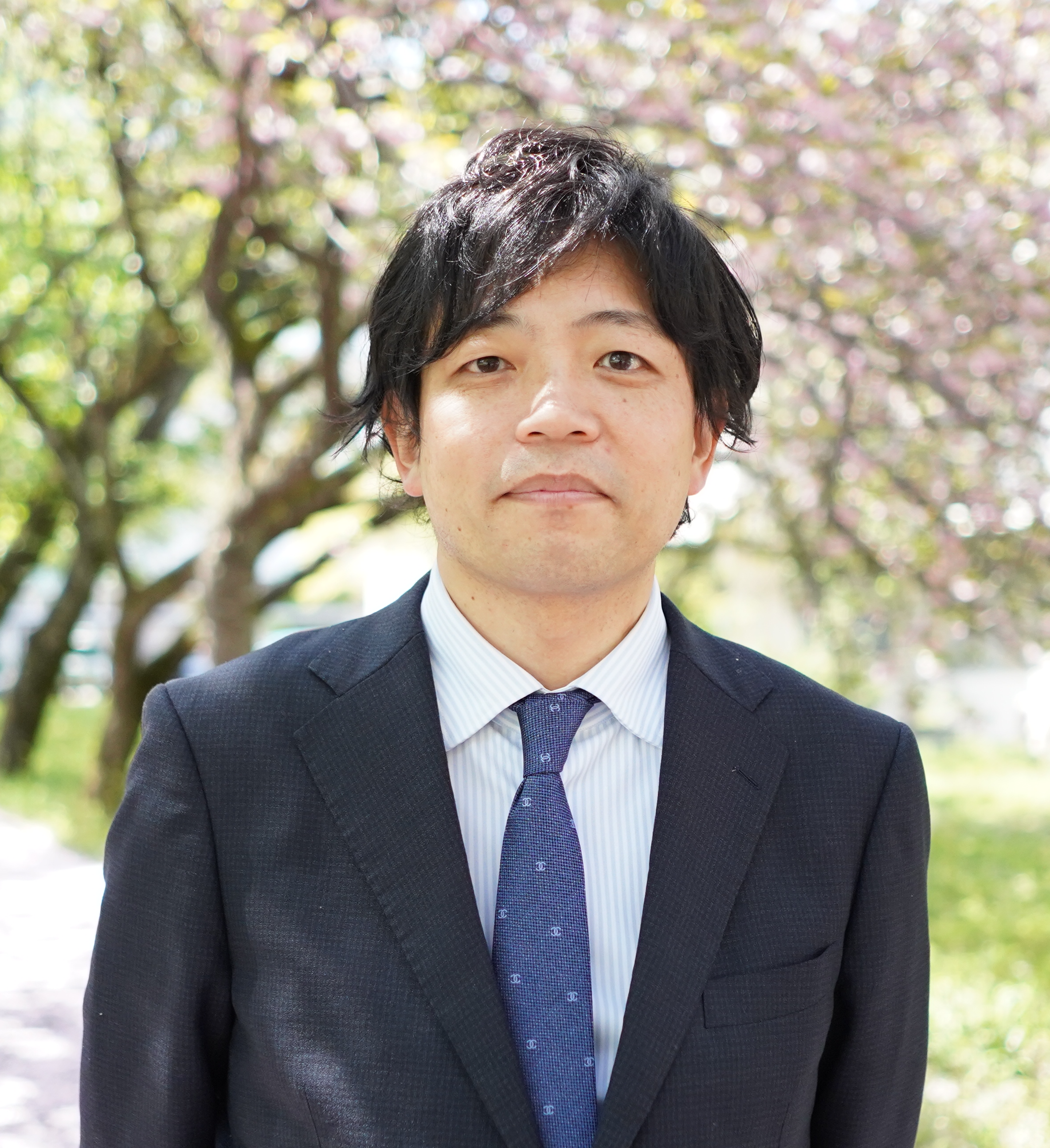
Hironori Kuga, M.P.H., M.D., Ph.D. (he/him/his)
Director General
National Center of Neurology and Psychiatry, National Center for Cognitive Behavior Therapy and Research,
Kodaira city, Tokyo, Japan
Junichiro Kanazawa, Ph.D. (he/him/his)
Health Sciences University of Hokkaido
Sapporo, Hokkaido, Japan

Steven Safren, ABPP, Ph.D.
Professor
University of Miami
Miami, Florida, United States
Aiko Eto, Ph.D. (she/her/hers)
Chiba University
Kodaira, Tokyo, Japan

Ikue Umemoto, M.A. (she/her/hers)
Reseach Fellow
National Center of Neurology and Psychiatry in Japan
Kodaira city, Tokyo, Japan

Laura Knouse, Ph.D. (she/her/hers)
Professor of Psychology
University of Richmond
Richmond, Virginia, United States
Jessica McCabe, Other (she/her/hers)
How to ADHD
Seattle, Washington, United States
Cognitive behavioral therapy (CBT) for adults with attention-deficit/hyperactivity disorder (ADHD) has been shown to be effective not only in improving core symptoms but also in reducing comorbid depression and anxiety and enhancing quality of life (QOL) (Safren et al., 2005; Li & Zhang, 2024). However, in real-world clinical practice, many patients face challenges in accessing and sustaining appropriate treatment owing to a shortage of specially trained therapists and geographic and financial barriers (Antshel et al., 2025). To address this “treatment gap,” intervention approaches enabled by digital technology have advanced in recent years, highlighting the need for scalable and sustainable solutions that can deliver evidence-based care to a wider range of adults with ADHD.
This symposium presents the latest research findings and strategies for accelerating access and implementation by integrating technology with evidence-based CBT for adults with ADHD.
In the first presentation, we will introduce a predictive model for changes in ADHD symptoms using physiological and behavioral data derived from wearable devices, highlighting the potential of continuous monitoring to enable personalized and timely interventions. In the second presentation, we will report the results of a usability study of a newly developed CBT smartphone application in Japan, designed to address the unique treatment barriers faced by adults with ADHD, and we will examine implementation issues and solutions for real-world deployment. In the third presentation, we will present findings from a randomized controlled trial evaluating the efficacy of a CBT-based mobile health application, providing robust evidence that digital interventions can reduce symptoms and improve QOL. In the fourth presentation, we will address the international expansion of CBT-based psychoeducation through digital media from a lived experience perspective, discussing design principles and strategies to scale support globally while promoting empowerment among individuals with ADHD. Finally, our designated discussant, Dr. Steven A. Safren, will provide an integrative discussion on how these digital innovations may extend existing clinical practice and bridge the gap toward more equitable and sustainable support for adults with ADHD.
Overall, this symposium underscores the potential of digital technologies to serve as a driving force for the broad dissemination of evidence-based psychotherapy in real-world settings. In the closing, we will discuss future directions toward achieving equitable and sustainable support for adults with ADHD, clinicians, and healthcare systems, with particular attention to leveraging continuous monitoring, developing scalable delivery models, and advancing global knowledge sharing and collaboration.
Speaker: Aiko Eto, Ph.D. (she/her/hers) – Chiba University
Co-Author: Eiji Shimizu, M.D., Ph.D. – Department of Cognitive Behavioral Physiology, Graduate School of Medicine, Chiba University
Co-Author: Toshiya Nakaguchi, Ph.D. – Chiba University
Co-Author: Tokuhiro Eto, Ph.D. – Claude Bernard University of Lyon 1
Co-Author: Yoshiyuki Hirano, Ph.D. – Chiba University
Speaker: Ikue Umemoto, M.A. (she/her/hers) – National Center of Neurology and Psychiatry in Japan
Co-Author: Miho Takada, M.A (she/her/hers) – National Center of Neurology and Psychiatry in Japan
Co-Author: Miyuki Makino, M.A. – National Center for Cognitive Behavior Therapy and Research, National Center of Neurology and Psychiatry
Co-Author: Kazufumi Yoshida, MD, DrPH (he/him/his) – National Center of Neurology and Psychiatry in Japan
Co-Author: Daiki Takegawa, Other – Emol inc.
Co-Author: Saori Chikami, BA (she/her/hers) – emol inc,
Co-Author: Hironori Kuga, M.P.H., M.D., Ph.D. (he/him/his) – National Center of Neurology and Psychiatry, National Center for Cognitive Behavior Therapy and Research,
Speaker: Laura Knouse, Ph.D. (she/her/hers) – University of Richmond
Co-Author: Laura Knouse, Ph.D. (she/her/hers) – University of Richmond
Co-Author: Kevin Antshel, ABPP, Ph.D. – Syracuse University
Co-Author: Haley McBride, M.A. (she/her/hers) – Syracuse University
Speaker: Jessica McCabe, Other (she/her/hers) – How to ADHD