


Transdiagnostic and Therapeutic Processes
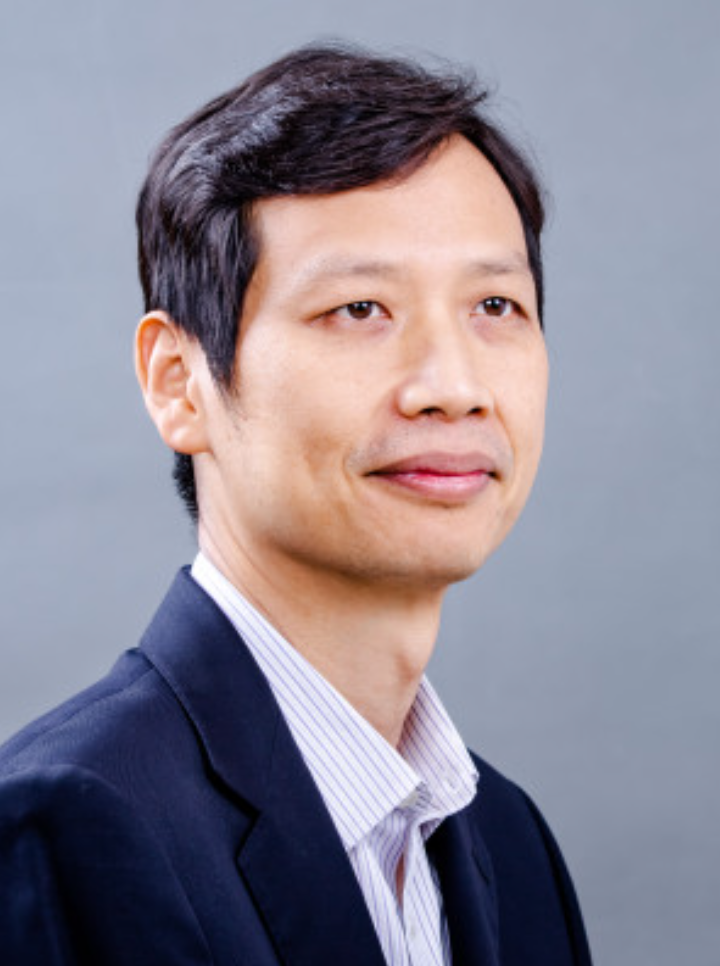
Xinghua Liu, Ph.D.
Professor
Peking University
beijing, Beijing, China (People's Republic)
Xinghua Liu, Ph.D.
Professor
Peking University
beijing, Beijing, China (People's Republic)
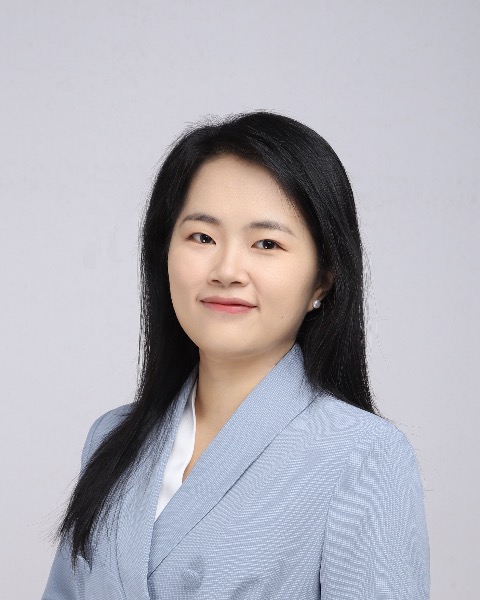
Yanjuan Li, Ph.D. (she/her/hers)
Assistant professor
the university of Hong Kong
Hong Kong, Hong Kong
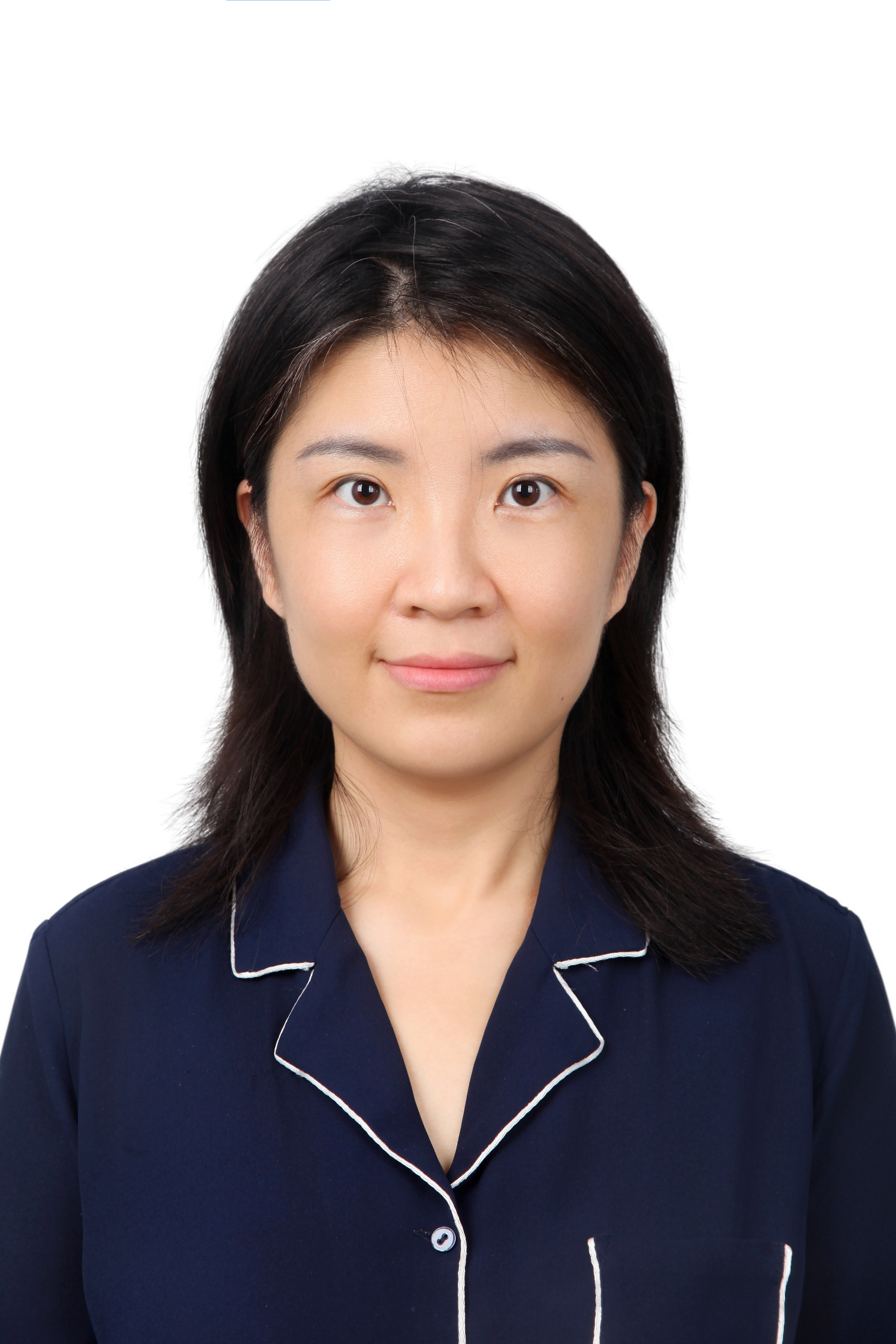
Meirong Pan, M.D. (she/her/hers)
Child Psychiatrist
Peking University Sixth Hospital
Beijing, Beijing, China (People's Republic)
Jiali Yang, Ph.D. (she/her/hers)
School of Psychological and Cognitive Sciences, Peking University, Beijing, China
Beijing, Beijing, China (People's Republic)
Jialu Jin, None (he/him/his)
Peking university
Beijing, Beijing, China (People's Republic)
Yinan Zhang, M.D. (she/her/hers)
Peking University
Beijing, Beijing, China (People's Republic)
This symposium presents a collection of innovative approaches to the treatment of emotional distress, focusing on the integration of mindfulness-based interventions and transdiagnostic frameworks. These interventions aim to address a wide range of emotional disorders by targeting underlying mechanisms such as emotional dysregulation, avoidance behaviors, and cognitive rigidity.
The first presentation adapts the Mindfulness Intervention for Emotional Distress (MIED) for bereavement care. Based on a dual-process model of grief, this study integrates mindfulness practices to facilitate both restoration- and loss-oriented coping strategies. Findings from preliminary surveys and interviews suggest that MIED is effective in reducing bereavement-related distress and could be enhanced by incorporating bereavement-specific examples and death education elements.
The second presentation addresses the Unified Protocol for Adolescents (UP-A) in China, emphasizing a parent-adolescent group intervention. The pilot and randomized controlled trial (RCT) findings demonstrate the efficacy of a culturally adapted UP-A in reducing emotional disorder severity in adolescents, highlighting the role of parental involvement. The research suggests that integrating parents into adolescent interventions may be key to overcoming barriers to access and improving long-term outcomes in Chinese adolescents.
The third presentation explores Dialectical Behavior Therapy (DBT) applied to female offenders with suicidal ideation, depression, and anxiety. A randomized controlled trial demonstrates DBT’s efficacy in reducing these symptoms, with longitudinal mediation analyses revealing specific pathways through mindfulness, experiential avoidance, and interpersonal factors. These findings offer a deeper understanding of the mechanisms driving DBT’s success in this high-risk population.
In the fourth presentation, perceived stress is identified as a critical mediator in the effectiveness of mindfulness-based interventions (MBIs) for emotional distress. Data from two RCTs indicate that reducing perceived stress mediates the effects of MBIs in alleviating anxiety and depression. This finding underscores the importance of targeting perceived stress in MBIs to enhance their therapeutic impact.
Finally, the symposium concludes with a presentation on a case study demonstrating the Unified Protocol (UP) applied through the MIED Psychopathology Diamond Model for treating Major Depressive Disorder (MDD). The study highlights how this model targets the four nodes of emotional distress—life engagement, distress tolerance, emotional behaviors, and cognitive flexibility—to reduce symptoms and improve life functioning in a depressed client. The case study provides robust evidence for the model’s utility in individual therapy.
Each presentation in this symposium contributes valuable insights into the application and mechanisms of transdiagnostic and mindfulness-based treatments across diverse populations and contexts. The research highlights the potential of these approaches to improve emotional regulation, reduce distress, and restore functioning across various emotional disorders.
Speaker: Yanjuan Li, Ph.D. (she/her/hers) – the university of Hong Kong
Speaker: Meirong Pan, M.D. (she/her/hers) – Peking University Sixth Hospital
Co-Author: Xue Gao, M.D (she/her/hers) – Peking University Sixth Hospital, Peking University Institute of Mental Health, NHC Key Laboratory of Mental Health (Peking University), National Clinical Research Center for Mental Disorders (Peking University Sixth Hospital), Beijing 100191, China
Co-Author: Xueying Liu, M.D (she/her/hers) – Peking University Sixth Hospital, Peking University Institute of Mental Health, NHC Key Laboratory of Mental Health (Peking University), National Clinical Research Center for Mental Disorders (Peking University Sixth Hospital), Beijing 100191, China
Co-Author: Zhongfang Fu, Ph.D. (she/her/hers) – Peking University
Co-Author: Lu Liu, Ph. D (she/her/hers) – Peking University Sixth Hospital, Peking University Institute of Mental Health, NHC Key Laboratory of Mental Health (Peking University), National Clinical Research Center for Mental Disorders (Peking University Sixth Hospital), Beijing 100191, China
Co-Author: haimei Li, Ph. D (she/her/hers) – Peking University Sixth Hospital, Peking University Institute of Mental Health, NHC Key Laboratory of Mental Health (Peking University), National Clinical Research Center for Mental Disorders (Peking University Sixth Hospital), Beijing 100191, China
Co-Author: Yufeng Wang, Ph. D (she/her/hers) – Peking University Sixth Hospital, Peking University Institute of Mental Health, NHC Key Laboratory of Mental Health (Peking University), National Clinical Research Center for Mental Disorders (Peking University Sixth Hospital), Beijing 100191, China
Co-Author: qiujin qian, M.D. – Peking university
Speaker: Jiali Yang, Ph.D. (she/her/hers) – School of Psychological and Cognitive Sciences, Peking University, Beijing, China
Co-Author: Lan Wang, Ph.D. Candidate (she/her/hers) – School of Criminal Justice, China University of Political Science and Law, Beijing , China
Co-Author: Bo Yang, Ph.D. (he/him/his) – China School of Sociology, China University of Political Science and Law, Beijing , China
Co-Author: Xinghua Liu, Ph.D. – Peking University
Speaker: Jialu Jin, None (he/him/his) – Peking university
Co-Author: Dongyang Chen, PhD Candidate – Peking University School of Psychological and Cognitive Sciences
Co-Author: Mengyao He, PhD – Peking University School of Psychological and Cognitive Sciences
Co-Author: Amy Hu, Master – Peking University School of Psychological and Cognitive Sciences
Co-Author: Stefan G. Hofmann, PhD – Philipps-Universitat Marburg
Co-Author: Xinghua Liu, Ph.D. – Peking University
Speaker: Yinan Zhang, M.D. (she/her/hers) – Peking University