Culturally Adapting CBT for Asian Heritage Populations: An Evidence-Based Approach
In-Congress Workshop 1 - Culturally Adapting CBT for Asian Heritage Populations: An Evidence-based Approach
Thursday, June 25, 2026
9:30 AM - 12:30 PM PDT
Location: Yerba Buena Salon 3, B3 Level
Earn 3 Credit
Keywords: Culture, Multicultural Psychology, Asian Americans Recommended Readings: Hwang, W. (2016). Culturally adapting psychotherapy for Asian heritage populations: An evidence-based approach. San Diego, CA: Academic Press (an imprint of Elsevier press)., Hwang, W., Myers, H. F., Chiu, E., Mak, E., Butner, J., Fujimoto, K. A., Wood, J. J., & Miranda, J. (2015). Culturally adapted Cognitive-Behavioral Therapy for Chinese Americans with depression: A randomized controlled trial. Psychiatric Services, 66(10), 1035-1042., Hwang, W. (2009). The Formative Method for Adapting Psychotherapy (FMAP): A community-based developmental approach to culturally adapting therapy. Professional Psychology: Research and Practice, 40(4), 369-377.
Hwang, W. (2006). The Psychotherapy Adaptation and Modification Framework (PAMF): Application to Asian Americans. American Psychologist, 61(7), 702-715., ,
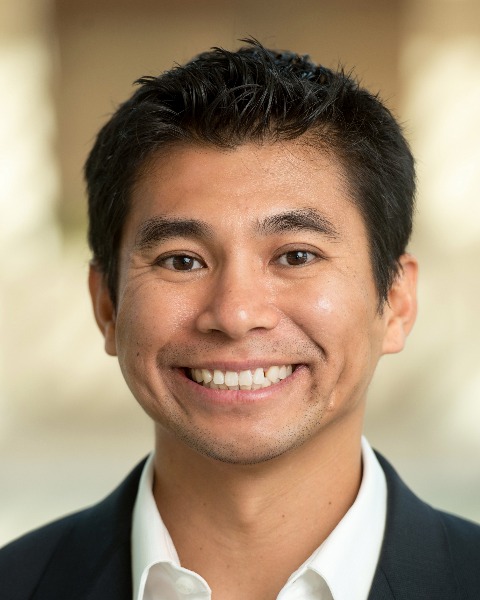
Professor of Psychological Science Claremont McKenna College Claremont, California, United States
What are cultural adaptations? How do we culturally adapt psychotherapy in a clinically sound and evidence-based manner for those from diverse backgrounds? This workshop discusses how culture influences mental health processes and identify areas for cultural adaptation. Top-down and bottom-up frameworks to culturally adapt therapy will be introduced. Concrete examples from a culturally adapted treatment manual that I developed for use with Chinese Americans and tested on in a randomized controlled trial will be presented. The goal of this workshop is to gain both breadth and depth of understanding, as well develop practical clinical tools to use with diverse populations. Culturally adapting therapy is important because research demonstrates that ethnic minorities and non-White populations are less likely to receive quality health services and evidence worse treatment outcomes when compared with White populations. Although considerable progress has been made in establishing and defining efficacious and possibly efficacious treatments for the general population, relatively little is known about the efficacy of evidence-based psychological practices (EBPPs) for people from diverse backgrounds. Addressing this issue is critically important because non-White populations evidence barriers in access, delay and utilize mental health treatments at lower rates, and evidence worse outcomes. The information that will be presented in this CE workshop will be based off of a U.S. National Institutes of Mental Health (NIMH) funded clinical trial focused on creating a culturally adapted intervention for Chinese Americans and testing its effectiveness against nonadapted CBT. This study was the first NIMH funded outcome study on an Asian American group. Moreover, it is the first study that tests adapted versus unadapted psychotherapy.
Learning Objectives:
Explain the rationale and need for culturally adapting psychotherapy.
2. Differentiate between cultural and individually tailoring
3. Utilize theoretical and community participatory frameworks for developing evidence-based psychotherapy