Suicidality and Self-Harm: Prevention, Interventions, and Patient Perspectives
1 - (OP8) What Do People Experiencing Suicidality Want from Their Treatment? A US National Survey of Treatment Preferences
Thursday, June 25, 2026
2:05 PM - 2:22 PM PDT
Location: Golden Gate C3, B2 Level
Keywords: Suicide, Lived Experience, Treatment Recommended Readings: Richards, J. E., Hohl, S. D., Whiteside, U., Ludman, E. J., Grossman, D. C., Simon, G. E., Shortreed, S. M., Lee, A. K., Parrish, R., Shea, M., Caldeiro, R. M., Penfold, R. B., & Williams, E. C. (2019). If you listen, I will talk: The experience of being asked about suicidality during routine primary care. Journal of General Internal Medicine, 34(10), 2075–2082. https://doi.org/10.1007/s11606-019-05136-x, Shaw, J. L., Beans, J. A., Comtois, K. A., & Hiratsuka, V. Y. (2019). Lived experiences of suicide risk and resilience among Alaska Native and American Indian people. International Journal of Environmental Research and Public Health, 16(3953). https://doi.org/10.3390/ijerph16203953, , ,
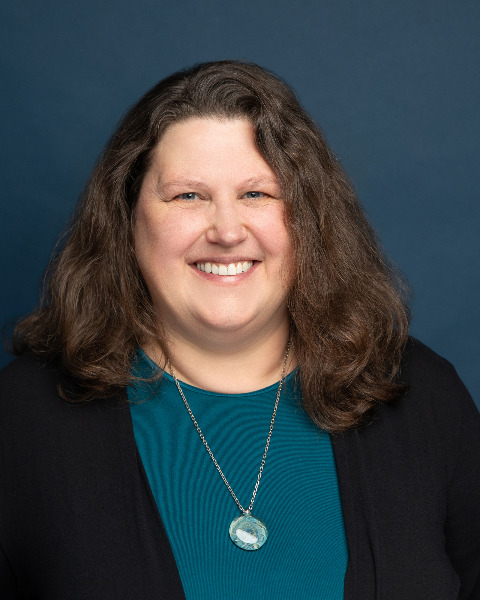
Professor University of Washington Seattle Campus: University of Washington Seattle, Washington, United States
Over the past decade, the perspectives of those with lived experience of suicidality (PLE) have finally been heard by those in suicide research and clinical care but their perspectives have not yet made it to general mental health care. Recently, attention to this issue has been heightened by a wider acknowledgement of the inappropriate role of police in mental health crises. To reshape mental health care to assure it is welcome and useful to people experiencing suicidal thoughts and behavior, it is critical to understand PLE’s treatment preferences. To answer this question, an online study of PLE was conducted through Prolific, an online research platform that allows researchers to screen, recruit, enroll, and pay participants. Potential participants identified in Prolific as 18 years or older, English speaking, and living in the United States completed informed consent within the Prolific platform. Consenting participants completed a pre-screening survey using the REDCap electronic data capture tool to determine if they met inclusion criteria for lived experience of suicidality for this study based on a yes response to at least one of the following questions: (1) In the past month, have you wished you were dead or wished you could go to sleep and not wake up?, (2) In the past month, have you actually had any thoughts of killing yourself?, or (3) Have you ever done anything, started to do anything, or prepared to do anything to end your life? Those who met eligibility criteria were given a link to complete the full survey on REDCap. Participants were paid $1.00 for completing the pre-screening survey and $8.00 for completing the full survey. To ensure high quality data collection, we employed multiple strategies to prevent “fraudulent actors” (individuals or entities who participate in bad faith to accumulate monetary incentives). A survey was developed by a team of technology and mental health researchers and a team of suicide researchers, the initial draft was reviewed by a PLE board, and our revised scale was reviewed with PLE and clinicians via cognitive interviews to ensure we captured important information and the content was understandable and acceptable.
Psychotherapy/mental health counseling was considered a must by a third to half of PLE. A minority endorsed including family in psychotherapy, spiritual/pastoral visits, traditional or cultural activities, or peer support as essential. The aspects of care considered most important were to “treat me with dignity and compassion”, “show genuine concern”, and “respect my decisions even when I don’t agree”. With regard to a suicide crisis (intent to kill themselves in hours or the same day), only 40-50% of the sample considered mental health crisis responders coming to their home a must and 4-10% said this definitely should not happen. Only 20% of the sample endorsed a standard police visit as a must have in a suicide crisis and 30% said definitely not, even in this case of imminent risk. Websites and mental health apps were considered must have’s for 40-50% of PLE indicating a window for technology based CBT with this population. Differences based on demographic and economic background, history of mental health care, and history of suicide attempt will also be presented.
Learning Objectives:
Upon completion, participant will be able to describe the treatment preferences of people with lived experience of suicidal thoughts and behavior