



Transdiagnostic and Therapeutic Processes

M. Zachary Rosenthal, Ph.D.
Director
Duke University Center for Misophonia and Emotion Regulation
Chapel Hill, North Carolina, United States
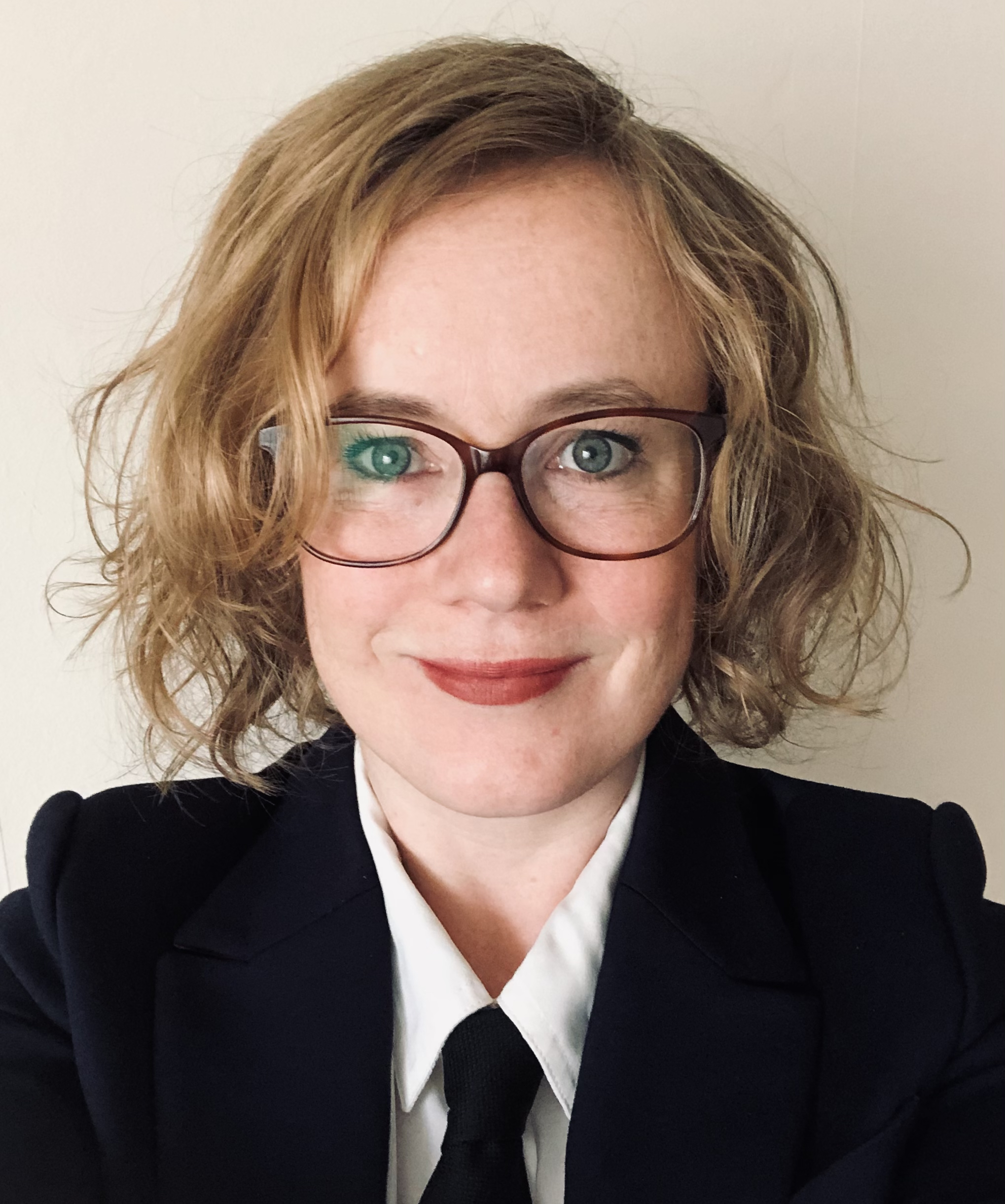
Jane Gregory, Psy.D. (she/her/hers)
Clinical Psychologist
University of Oxford
Oxford, England, United Kingdom
M. Zachary Rosenthal, Ph.D.
Director
Duke University Center for Misophonia and Emotion Regulation
Chapel Hill, North Carolina, United States
Jane Gregory, Psy.D. (she/her/hers)
Clinical Psychologist
University of Oxford
Oxford, England, United Kingdom
Emily Gates, B.A. (she/her/hers)
Clinical Research Coordinator
Duke University
Raleigh, North Carolina, United States
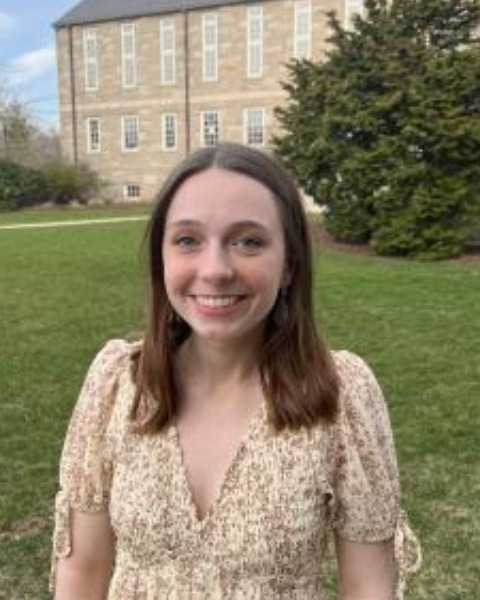
Grace Heppes, B.S. (she/her/hers)
Outreach and Education Coordinator
Duke University
Durham, North Carolina, United States
Marta Siepsiak, Ph.D. (she/her/hers)
Assistant Professor
Faculty of Psychology, University SWPS Warsaw
Warsaw, Mazowieckie, Poland
Misophonia is characterized by significant impairment in functioning caused by unusually aversive responses to specific sounds, commonly oral or facial and made by others (e.g., eating, throat-clearing, sniffing; Swedo et al., 2022). Population level studies estimate a high prevalence rate for clinically elevated misophonia (4.6% of adults in the US; Dixon et al., 2024) and even higher sub-clinical prevalence (e.g., 12-20% of adults globally). These patients commonly report poor treatment experiences from mental health providers unaware of misophonia that use habituation-based exposure protocols (Smith et al., 2023). Treatments for misophonia need to be developed that account for (a) the high co-occurrence of misophonia with many psychiatric disorders and (b) heterogeneous biopsychosocial processes across problems with emotion regulation, sensory intolerance, maladaptive cognitive processes, and difficulties with interpersonal functioning (e.g., Rosenthal, Shan, and Hanna, 2026). To address these challenges, researchers emphasize integrating multiple methodologies and lived experience stakeholder voices to ensure that new interventions are grounded in real-world needs and supported by strong mechanistic foundations. As a result, cognitive behavioral therapies are at the forefront of treatment development for misophonia (Matteson et al., 2023).
This symposium showcases innovative and state-of-the-field approaches to understanding and treating the complexities of misophonia. Presentations feature scalable cognitive behavioral therapies developed using lived-experience methodologies and laboratory-based mechanistic studies. Symposium speakers are world leading clinical scientists from research programs investigating misophonia at Oxford University, University of Warsaw, and Duke University. Importantly, speakers will highlight how the field uses outreach and science-communication strategies to increase awareness, reduce stigma, and promote equitable and affirming access to care for people with misophonia.
First, Grace Heppes, Outreach and Education Coordinator from the Duke Center for Misophonia and Emotion Regulation will introduce misophonia and share insights from Center projects about ways to translate diverse lived experiences into accessible treatment approaches. Next, Marta Siepsiak will describe qualitative and mixed methods approaches studying lived experience and underlying mechanisms to develop and test a brief group CBT protocol for misophonia. Jane Gregory will describe how the Medical Research Council framework for developing interventions was applied to evaluate a novel CBT approach for misophonia over a 5-year period. Finally, Emily Gates will describe the development and testing of an intervention using machine learning to suppress (using headphones in real-time) semantically targeted sounds (but nothing else) from the natural environment to reduce emotional reactivity. Dr. Rosenthal will serve as the discussant, synthesizing findings to outline a translational roadmap for developing next-generation interventions guided by mechanisms, informed by lived experiences, and designed for equitable and affirming community impact.
Speaker: Jane Gregory, Psy.D. (she/her/hers) – University of Oxford
Co-Author: Paul Salkovskis, Professor – University of Oxford
Co-Author: Victoria Bream, DClinPsy – Oxford Health NHS Foundation Trust
Speaker: Emily C. Gates, B.A. (she/her/hers) – Duke University
Co-Author: Emily C. Gates, B.A. (she/her/hers) – Duke University
Co-Author: Kolin Lewis, B.A. (he/him/his) – Duke University
Co-Author: Malek Itani, b.e. (he/him/his) – University of Washington
Co-Author: shyam Gollakota, Ph.D. (he/him/his) – University of Washington
Co-Author: M. Zachary Rosenthal, Ph.D. – Duke University Center for Misophonia and Emotion Regulation
Speaker: Grace A. Heppes, B.S. (she/her/hers) – Duke University
Co-Author: Grace A. Heppes, B.S. (she/her/hers) – Duke University
Co-Author: M. Zachary Rosenthal, Ph.D. – Duke University Center for Misophonia and Emotion Regulation
Speaker: Marta Siepsiak, Ph.D. (she/her/hers) – Faculty of Psychology, University SWPS Warsaw