


Interventions and Care Delivery Models in the Context of Resource Limitations
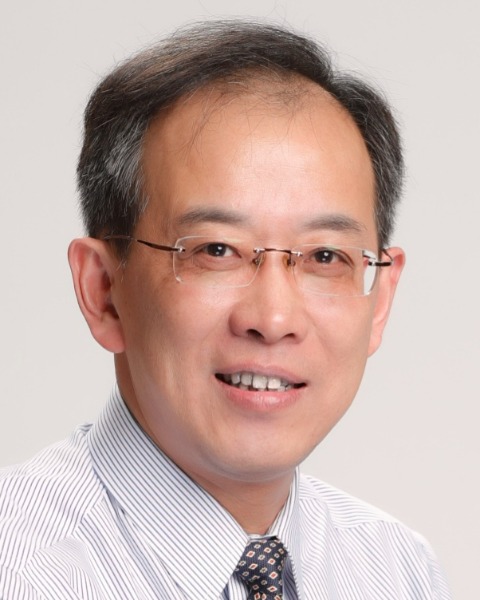
Ning Zhang, M.D., Ph.D. (he/him/his)
Psychiatrist/Psychotherapist/Clinical Psychologist
The Affiliated Brain Hospital of Nanjing Medical University
Nanjing, Jiangsu, China (People's Republic)

Qing Fan, M.D., Ph.D.
Director of Rehabilitation Department
Shanghai Mental Health Center
Shanghai, Shanghai, China (People's Republic)
Ning Zhang, M.D., Ph.D. (he/him/his)
Psychiatrist/Psychotherapist/Clinical Psychologist
The Affiliated Brain Hospital of Nanjing Medical University
Nanjing, Jiangsu, China (People's Republic)
Qing Fan, M.D., Ph.D.
Director of Rehabilitation Department
Shanghai Mental Health Center
Shanghai, Shanghai, China (People's Republic)
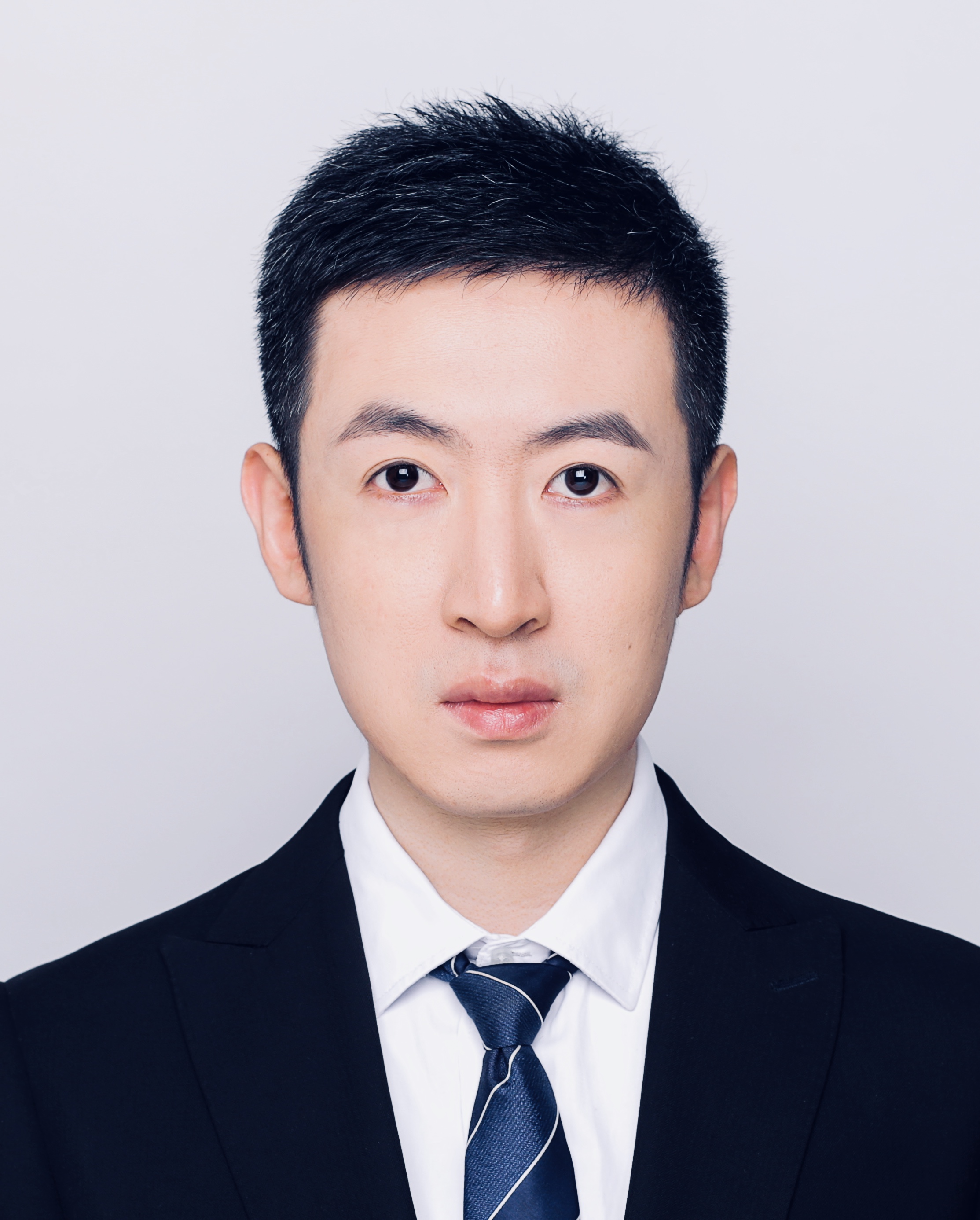
Haolun Li, M.D., Ph.D. (he/him/his)
Psychiatric attending doctor
Nanjing Medical University affiliated Nanjing Brain Hospital
Nanjing, Jiangsu, China (People's Republic)
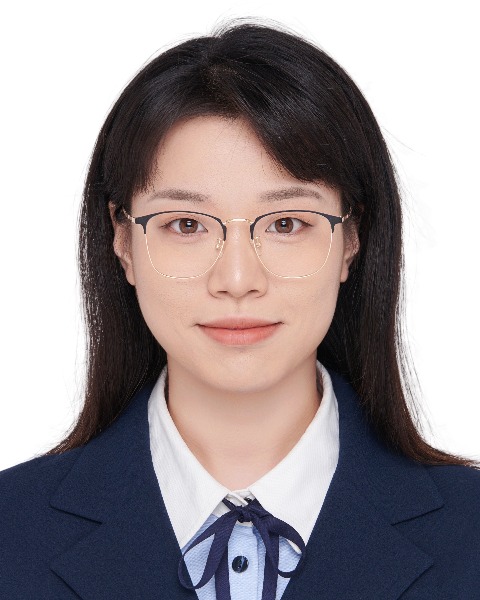
Yiwen Wu, M.A. (she/her/hers)
Junior psychotherapist
Shanghai Mental Health Center
Shanghai, Shanghai, China (People's Republic)
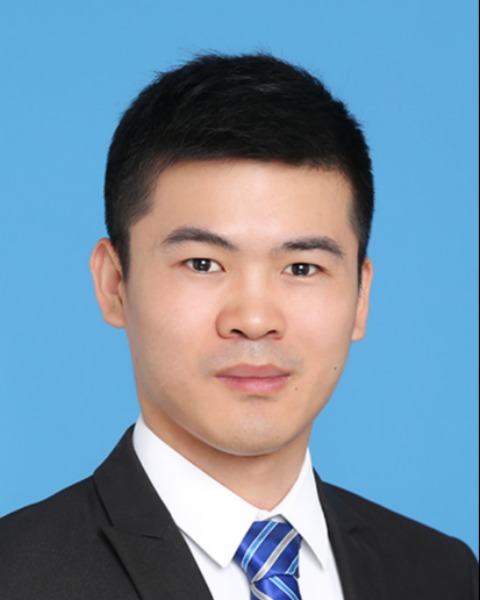
Yongjun Chen, M.S.
psychotherapist
Nanjing Brain Hospital Affiliated to Nanjing Medical University
nanjing, Jiangsu, China (People's Republic)
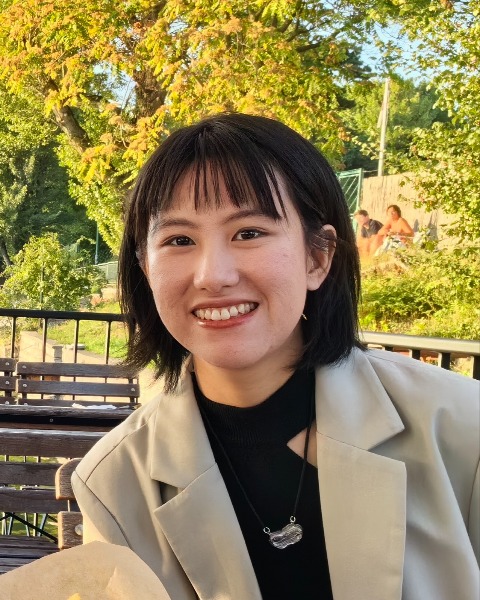
Yumin Zhang, M.S. (she/her/hers)
Psychotherapist/Clinical Psychologist
The Affiliated Brain Hospital of Nanjing Medical University
nanjing, Jiangsu, China (People's Republic)
Cognitive Behavioral Therapy (CBT) is a widely used, evidence-based psychological treatment characterized by its structured, time-limited, and transdiagnostic applicability. In China, the introduction of CBT began in 1998 with the establishment of the Training Program hosted by Germany-China Academic Psychotherapy Registered Association (DEUTSCH-CHINESISCHE AKADEMIE FÜR PSYCHOTHERAPIE EINGETRAGENER VEREIN, GCAP). During its early implementation, CBT in China faced substantial challenges, including shortages of trained professionals, limited organizational infrastructure, insufficient research capacity, and restricted clinical application. In response, the project systematically developed an integrated service model encompassing organization development, workforce training, scientific research, clinical practice, and social dissemination. This “five-in-one” model has promoted the standardized and sustainable development of CBT within China’s mental health system. Guided by these priorities, this symposium showcases five innovative efforts to expand equitable access and promote the long-term sustainability of CBT within the Chinese context.
This symposium reports a cultural adaptation of CBT within China, and presents a series of applied clinical studies. Presentations describe clinical work across a wide range of populations including but not least patients with obsessive-compulsive disorder (OCD), acrophobia, and depression, and of contexts including outpatients and inpatients. Presenters will describe how these approaches collectively enhance the precision, accessibility, and sustainability of CBT interventions, ranging from effect evaluation and mechanistic exploration to self-help methods innovation and clinical process optimization.
The five presentations, featuring researchers from early-career to senior levels, are focusing on enhancing equitable accessibility and addressing sustainable development to CBT in China. We begin with a study on stepped-care internet-based CBT for adults with OCD. The second presentation investigates the effectiveness of a short-term mindfulness-based training for depressive inpatients. The third presentation details the development and cultural adaptation of a family-based self-help CBT manual for adolescents with OCD. The fourth presentation examines virtual reality based exposure therapy (VRET) for acrophobia as a technologically sustainable innovation, comparing it with traditional imaginal exposure therapy (IET) and exploring neural mechanisms within visual network. The final presentation investigates dropout rate and its associated factors in clinical CBT-based group therapies.
This symposium highlights China’s growing contributions to global CBT innovation through equitable access and sustainable implementation. These studies demonstrate CBT’s capacity for adapting effectively to diverse settings and populations through developing low-intensive, precision-oriented, technologically innovative, and facilitating optimization. Collectively, the presentations offer insights relevant to global efforts to extend evidence-based psychological care in equitable and sustainable ways.
Speaker: Qing Fan, M.D., Ph.D. – Shanghai Mental Health Center
Co-Author: Yiwen Wu, M.A. (she/her/hers) – Shanghai Mental Health Center
Co-Author: Yuhan Yang, B.S. – Shanghai Mental Health Center
Speaker: Haolun Li, M.D., Ph.D. (he/him/his) – Nanjing Medical University affiliated Nanjing Brain Hospital
Speaker: Yiwen Wu, M.A. (she/her/hers) – Shanghai Mental Health Center
Co-Author: Xingyu Liu, B.S. – Shanghai Mental Health Center
Co-Author: Qing Fan, M.D., Ph.D. – Shanghai Mental Health Center
Speaker: Yongjun Chen, M.S. – Nanjing Brain Hospital Affiliated to Nanjing Medical University
Co-Author: Sichu Wu, Ph.D. – Nanjing Brain Hospital Affiliated to Nanjing Medical University
Co-Author: Zixin Chen, M.A. – Nanjing Brain Hospital Affiliated to Nanjing Medical University
Co-Author: Zehui zhang, M.A. – Nanjing Brain Hospital Affiliated to Nanjing Medical University
Co-Author: Ziyue Xu, M.A. – Nanjing Brain Hospital Affiliated to Nanjing Medical University
Co-Author: Jifan Wang, M.A. – Nanjing Brain Hospital Affiliated to Nanjing Medical University
Co-Author: Meilin Guo, M.A. – Nanjing Brain Hospital Affiliated to Nanjing Medical University
Co-Author: Shujun Hou, M.A. – Nanjing Brain Hospital Affiliated to Nanjing Medical University
Co-Author: Xuan Huang, M.A. – Nanjing Brain Hospital Affiliated to Nanjing Medical University
Co-Author: Ning Zhang, M.D., Ph.D. (he/him/his) – The Affiliated Brain Hospital of Nanjing Medical University
Co-Author: Chun Wang, Ph.D. – The Affiliated Brain Hospital of Nanjing Medical University
Speaker: Yumin Zhang, M.S. (she/her/hers) – The Affiliated Brain Hospital of Nanjing Medical University
Co-Author: Mengdi Song, M.S. – The Affiliated Brain Hospital of Nanjing Medical University
Co-Author: Ning Zhang, M.D., Ph.D. (he/him/his) – The Affiliated Brain Hospital of Nanjing Medical University
Co-Author: Chun Wang, Ph.D. – The Affiliated Brain Hospital of Nanjing Medical University