


Symposium
Artificial Intelligence and Technology-based Interventions
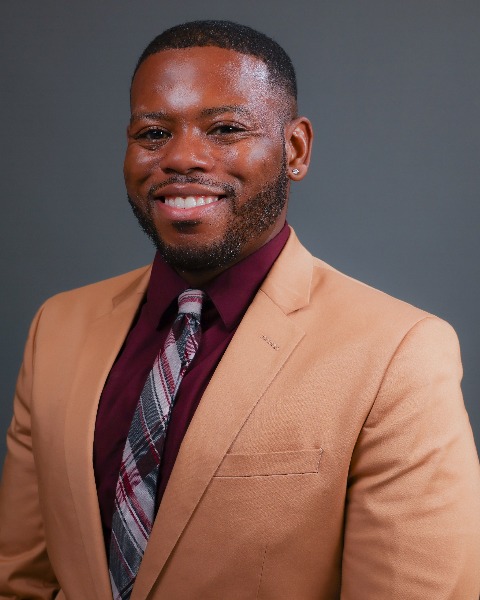
Henry Artez Willis, Ph.D. (he/him/his)
Assistant Professor
University of Maryland- College Park
College Park, Maryland, United States
Bunmi Odubayo, B.A.
Graduate Student
University of Maryland- College Park
Silver Spring, Maryland, United States
Colin Roberts, BS (he/him/his)
Graduate Research Assistant
University of Maryland, College Park
College Park, MD, United States
Timothy Simmons, B.A.
Graduate Student
University of Maryland- College Park
College Park, Maryland, United States
Significant disparities currently exist regarding access to traditional mental healthcare among Black youth (Rodgers et al., 2022). These barriers are particularly concerning given that suicide rates among Black youth are rising, highlighting an urgent need for accessible and affirming interventions (Bridge et al., 2018). While mobile health (mHealth) technology has the potential to reduce psychological distress (Donker et al., 2013), few culturally tailored interventions exist, and Black youth frequently find existing applications to be unappealing or lacking in cultural relevance (Willis & Neblett, 2023). This study examines a novel, culturally tailored AI chatbot that utilizes CBT principles designed specifically to help Black youth process and cope with general and racism-related stress. Users log experiences of general stress and racism-related stress, which are then analyzed by a culturally trained language model. This model provides psychoeducation on the specific type of racism experienced, helps the user process the experience using cognitive restructering, and recommends culturally relevant coping strategies.
The current presentation evaluates whether the tool reduces the impact of general and racism-related stress on mental health among Black young adults. The digital intervention was developed following focus groups with Black youth and young adults that identified key needs, including coping with discrimination (Willis & Neblett, 2023). We are currently conducting a 30-day pilot study from January to April 2026 with 40 Black young adults. Participants will be instructed to use the culturally responsive AI at least twice a week and to use it immediately after a general or racism-related stressful event. They will also log their weekly experiences of racial discrimination and mental health symptoms. The study will specifically track changes in depression, anxiety, and stress while using the AI chatbot.
It is hypothesized that self-reported racism experiences will not predict next-day mental health symptoms, suggesting the intervention’s buffering effect. The study also posits that culturally specific coping strategies will buffer against the distress associated with racism. Data collection and analyses will be complete by the time of the conference meeting. Preliminary results from this study will be discussed, offering critical insights into how culturally tailored digital interventions can be informed and developed to better support the mental health and well-being of Black youth.