


Symposium
Transdiagnostic and Therapeutic Processes
Annie-Lori Joseph Denk, Ph.D. (she/her/hers)
Clinical Fellow
Massachusetts General Hospital/Harvard Medical School
Boston, Massachusetts, United States
Annie-Lori Joseph Denk, Ph.D. (she/her/hers)
Clinical Fellow
Massachusetts General Hospital/Harvard Medical School
Boston, Massachusetts, United States
Matthew Jeram, PhD (he/him/his)
Associate Professor
Suffolk University
Boston, Massachusetts, United States
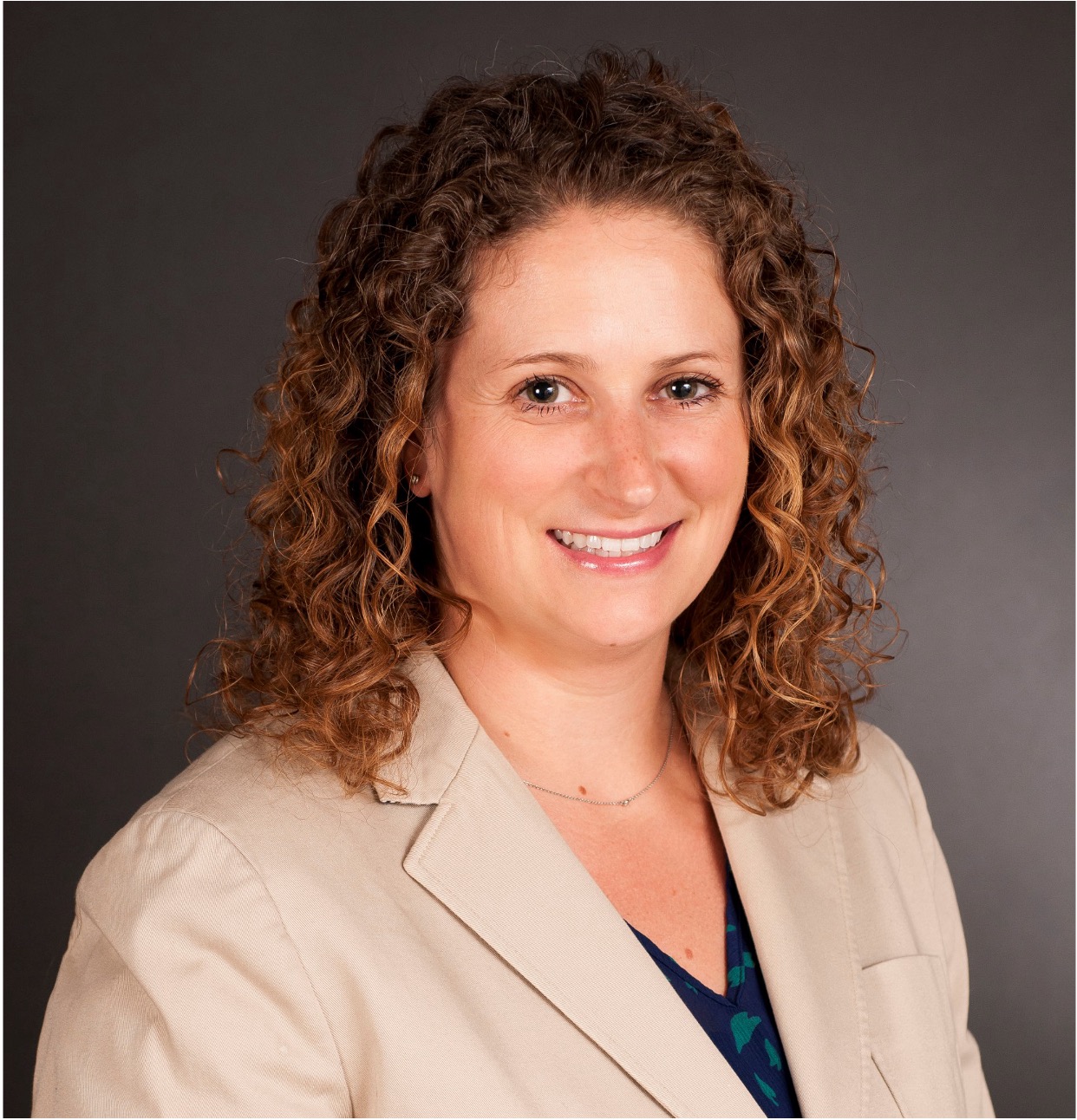
Amanda W. Baker, Ph.D. (she/her/hers)
Psychologist
Massachusetts General Hospital/Harvard Medical School
Boston, Massachusetts, United States
Matthew Robinson, PhD (he/him/his)
Instructor in Psychology
McLean Hospital/Harvard Medical School
Belmont, Massachusetts, United States
Background: High dropout rates and limited symptom remission in evidence-based trauma-focused treatments highlight the need to identify mechanisms that contribute to reductions in posttraumatic stress (PTS). Self-compassion is negatively associated with PTS and positively related to adaptive coping and effective emotion regulation-key targets in trauma-focused therapies. This study aimed to evaluate self-compassion among individuals in a trauma-focused partial hospitalization program (PHP) and explored its relationship with changes in trauma-related symptoms.
Methods: Fifty-nine adults seeking treatment for trauma-related and dissociative disorders enrolled in the study. Participants were predominately female (86%) and white (75%) with a significant proportion identifying as LGBTQ+ (49%). Assessments were completed at baseline (before day 4 in the PHP) and on treatment days 10 (n=36) and 15 (n=38). Measures included the Posttraumatic Stress Disorder Checklist for DSM-5, State Self-Compassion Scale, Multiscale Dissociation Inventory, Trauma Coping Self-Efficacy (SE) Scale, and Difficulties with Emotion Regulation Scale. We hypothesized participants would report significant improvements in self-compassion, trauma coping SE, and emotion regulation and reductions in PTSD and dissociation from pre- to post-treatment (~15 days). Associations among symptom changes were examined.
Results: Linear mixed-effects models with random intercepts (133 observations) indicated significant reductions in PTS from baseline to day 10 (b = -7.98, SE = 2.11, p < .001) and day 15 (b = -14.67, SE = 2.07, p < .001). Self-compassion improved significantly from baseline to day 10 (b = .31, SE = .09, p < .001) and day 15 (b = .57, SE = .09, p < .001). Additional models showed significant decreases in dissociative experiences from baseline to days 10 and 15 and improved emotion regulation and trauma coping SE from baseline to day 15. Improvements in self-compassion from baseline to day 15 were correlated with reductions in PTSD (ρ=-.68, p< .001), though not dissociation (r=-.29, p=.08), and improvements in trauma coping SE (r=.41, p< .05) and emotion dysregulation (r=-.57, p< .001).
Conclusion: Findings suggest self-compassion may play an important role in trauma-focused treatment. Future research should examine trajectories of self-compassion in larger samples using models that capture within- and between-person variability.