


Transdiagnostic and Therapeutic Processes
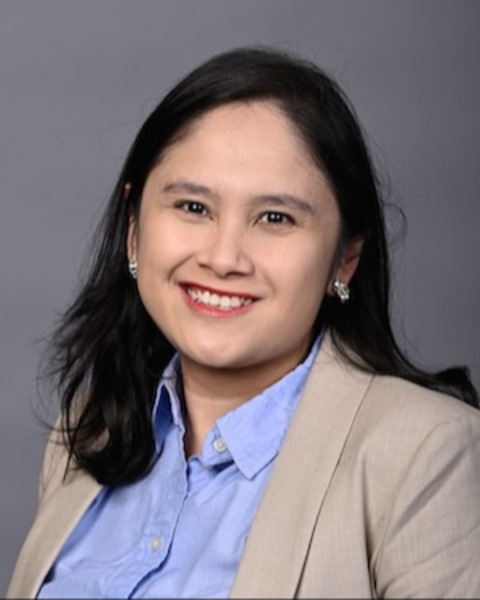
Nur Hani Zainal, M.S., Ph.D. (she/her/hers)
Assistant Professor
National University of Singapore
Singapore, Singapore
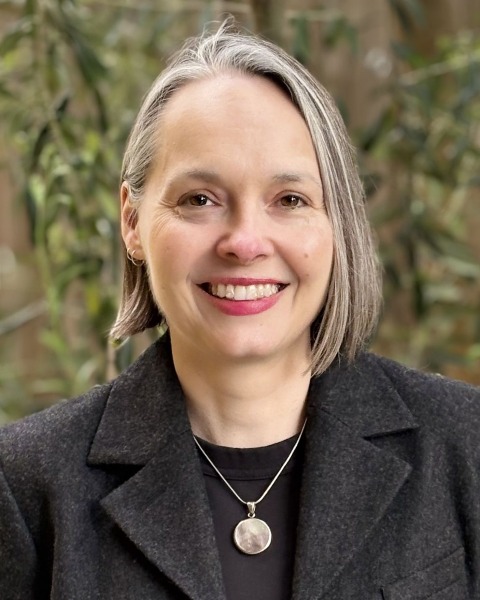
Sherry Beaudreau, ABPP, Ph.D. (she/her/hers)
VA Palo Alto Health Care System/Stanford
San Bruno, California, United States
Nur Hani Zainal, M.S., Ph.D. (she/her/hers)
Assistant Professor
National University of Singapore
Singapore, Singapore
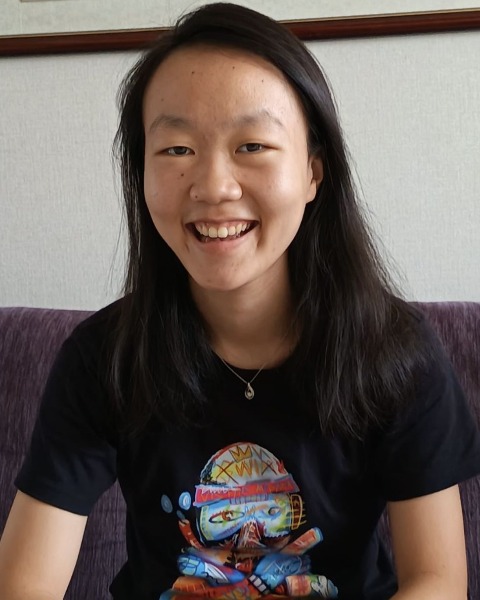
Tian Liang, Other (she/her/hers)
National University of Singapore
Singapore, Singapore
Annie-Lori Joseph Denk, Ph.D. (she/her/hers)
Clinical Fellow
Massachusetts General Hospital/Harvard Medical School
Boston, Massachusetts, United States
.jpg "Natalia Van Doren, Ph.D. photo")
Natalia Van Doren, Ph.D.
NIDA T32 Postdoctoral Research Fellow
UCSF
San Francisco, California, United States
The transition from syndrome-based diagnoses to process-based therapy necessitates rigorous delineation of mechanisms driving internalizing disorders. Although cognitive-behavioral therapies (CBT) are efficacious, the precise mediators and moderators of change remain elusive. This symposium integrates cutting-edge research across four levels of analysis: longitudinal modeling, daily diary assessment, clinical outcomes, and meta-analytic synthesis, offering multi-method evidence for affective and cognitive dynamics as transdiagnostic targets.
The first presentation leverages 18 years of data (N=735) to disentangle heterotypic continuity between Major Depressive Disorder (MDD) and Generalized Anxiety Disorder (GAD). Using structural equation mediation modeling, results reveal stress reactivity dynamics–both mean levels and day-to-day fluctuations–mediate the MDD-to-GAD pathway, but not the reverse. Risk appraisal plays a negligible role. These findings underscore emotional reactivity’s primacy over cognitive appraisal in comorbidity progression, suggesting that monitoring daily reactivity patterns serves as a vital early warning system for preventing diagnostic transitions.
The second presentation uses ecological momentary assessment (N=154, 1,878 person-days) to test the “affect regulation hypothesis” in young adults with substance use and internalizing symptoms. By modeling multidimensional “affective profiles,” the study reveals that depression and anxiety function as distal vulnerability factors biasing the daily “affective ecosystem”–trapping individuals in chronic low-arousal or volatile states–rather than as proximal triggers for use. Internalizing symptoms did not moderate the immediate affect-use link. These findings challenge the “self-medication” model, suggesting interventions must restructure daily affective contexts rather than solely target distress-use associations.
The third presentation examines self-compassion as a mechanism of change during a trauma-focused partial hospitalization program (N=59). Linear mixed models revealed significant improvements in self-compassion and trauma-coping self-efficacy during treatment and reduced posttraumatic stress, emotion dysregulation, and dissociation. Reductions in PTSD symptoms were significantly related to improved self-compassion (ρ=-.68). Self-compassion may be a promising mechanism to target during trauma-focused treatment.
The final presentation provides meta-analytic structural equation modeling synthesis of 549 randomized trials (N=134090) of digitally delivered CBT (d-CBT) for common mental disorders. While d-CBT yields robust direct effects on depression, anxiety, and quality of life, rigorous bias correction and sensitivity analyses consistently nullify previously significant mediators. This indicates the field has yet to robustly identify d-CBT’s unique change mechanisms, calling for urgent methodological refinements.
The discussant will synthesize these findings to propose a multi-level mechanism research framework, advocating for greater methodological rigor and focus on dynamic, context-dependent processes to enhance CBT’s precision.
Speaker: Nur Hani Zainal, M.S., Ph.D. (she/her/hers) – National University of Singapore
Co-Author: Sarah Josephine Rajendra, B.S. – Arizona State University (ASU)
Co-Author: Jordan Wen Juin Chng, B.S. – National University of Singapore (NUS)
Co-Author: Justina Sue Ching Tan, B.S. – National University of Singapore (NUS)
Co-Author: Anna Petersen, B.S. Candidate – Brigham Young University (BYU)
Co-Author: Natalia Van Doren, Ph.D. – UCSF
Speaker: Tian Liang, Other (she/her/hers) – National University of Singapore
Co-Author: Nur Hani Zainal, M.S., Ph.D. (she/her/hers) – National University of Singapore
Speaker: Annie-Lori Joseph Denk, Ph.D. (she/her/hers) – Massachusetts General Hospital/Harvard Medical School
Co-Author: Annie-Lori Joseph Denk, Ph.D. (she/her/hers) – Massachusetts General Hospital/Harvard Medical School
Co-Author: Matthew Jeram, PhD (he/him/his) – Suffolk University
Co-Author: Amanda W. Baker, Ph.D. (she/her/hers) – Massachusetts General Hospital/Harvard Medical School
Co-Author: Matthew Robinson, PhD (he/him/his) – McLean Hospital/Harvard Medical School
Speaker: Natalia Van Doren, Ph.D. – UCSF
Co-Author: Dusti Jones, Ph.D. – University of Utah
Co-Author: Bethany Bray, PhD – The University of Illinois at Chicago
Co-Author: Ashley Linden-Carmichael, Ph.D. – University of Oregon