



Dissemination and Implementation Science
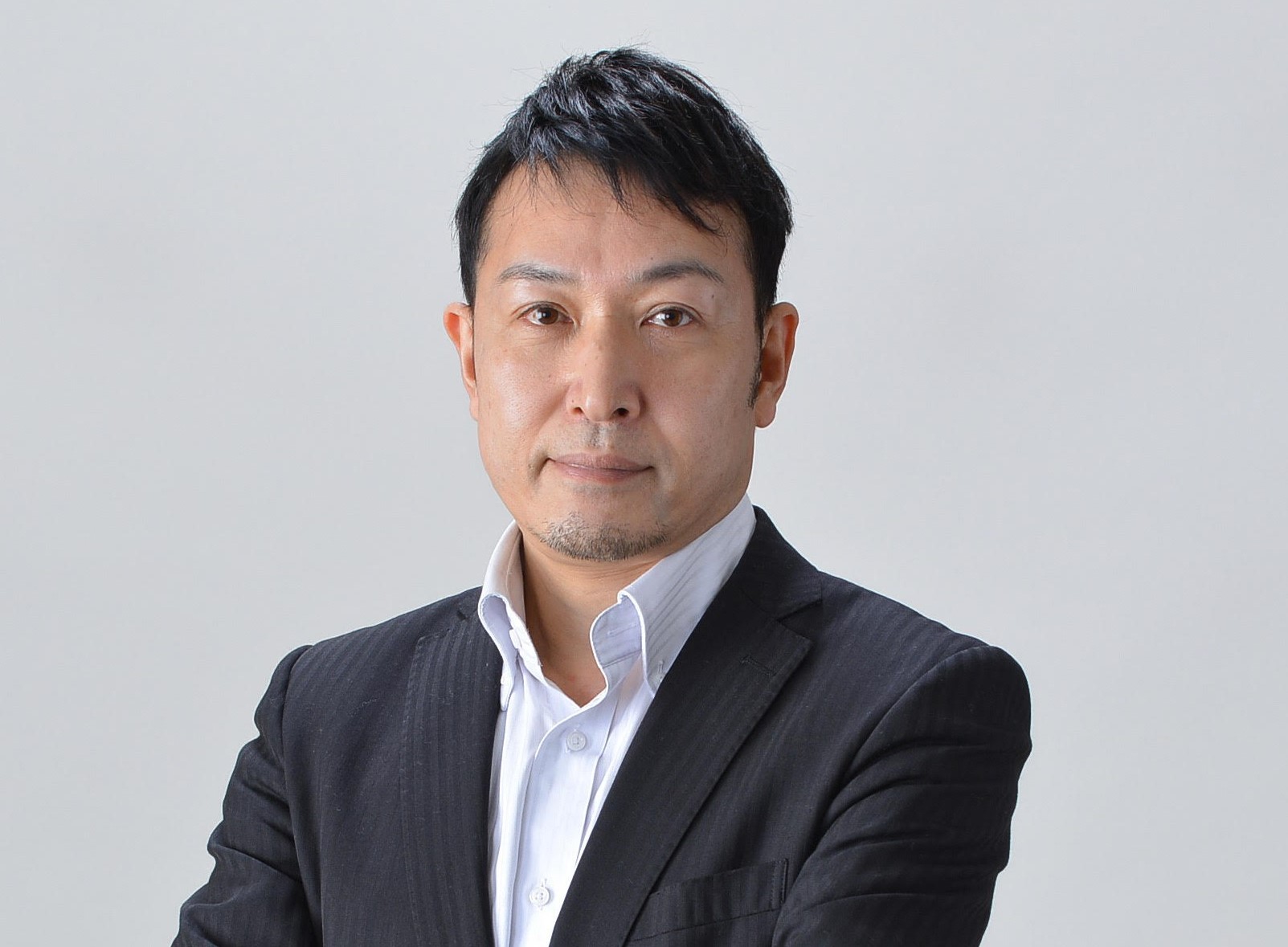
Takayuki Harada, Ph.D. (he/him/his)
Professor
University of Tsukuba
Bunkyo-ku, Tokyo, Japan
Takayuki Harada, Ph.D. (he/him/his)
Professor
University of Tsukuba
Bunkyo-ku, Tokyo, Japan
Takayuki Harada, Ph.D. (he/him/his)
Professor
University of Tsukuba
Bunkyo-ku, Tokyo, Japan

Minoru Takahashi, M.Ed. (he/him/his)
Professor
Mejiro University
Shinjuku-ku, Tokyo, Japan
Yuka Asami, Ph.D. (she/her/hers)
Senior assistant professor
Mejiro university
Shinjuku-ku, Tokyo, Japan
Asami Komazawa, Ph.D.
Assisitant Professor
Mejiro University
Shinjyuku-ku, Tokyo, Japan
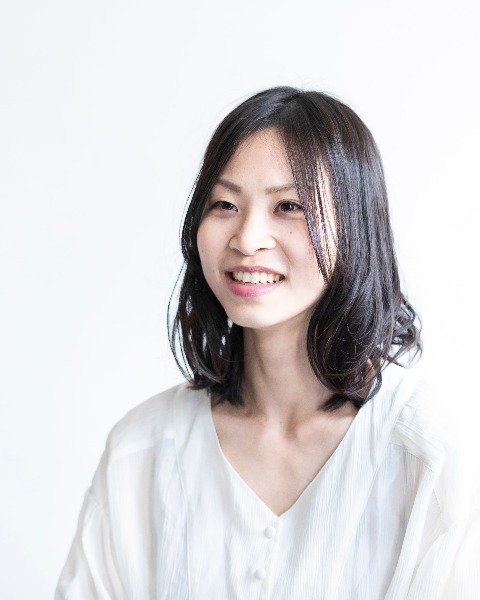
Saya Moriyama, M.A. (she/her/hers)
Doctoral Student, Clinical Psychologist
University of Tsukuba
Musashino-shi, Tokyo, Japan
Cognitive Behavioral Therapy (CBT) has been increasingly implemented and empirically examined in Japan, accompanied by sustained efforts to adapt its theoretical models and intervention strategies to Japanese cultural and social contexts. These developments extend beyond surface-level cultural tailoring and include systematic investigations of therapeutic mechanisms, outcome processes, and implementation strategies. This symposium presents five lines of research that exemplify how CBT in Japan has evolved through empirical inquiry, methodological rigor, and contextual sensitivity.
The presentations cover diverse clinical and applied domains, including specific phobia, kleptomania, positive psychology–informed CBT, problematic Internet use, and motivational interviewing (MI). Rather than focusing solely on treatment efficacy, the symposium emphasizes process-oriented and implementation-focused research, highlighting how CBT-related approaches are being refined and extended in Japan through experimental, clinical, and preventive frameworks.
The first presentation examines CBT for specific phobia, focusing on empirically testing the psychological processes through which exposure produces therapeutic effects, as well as processes that interfere with its effectiveness. The study investigates mechanisms underlying exposure, contributing to a more precise understanding of how exposure works in practice.
The second presentation reports on group-based CBT for kleptomania. Treatment effects are analyzed in relation to recidivism risk, craving, and outcome expectancies, offering a process-oriented perspective on how group CBT may reduce reoffending risk.
The third presentation addresses CBT incorporating positive psychological elements in Japan. It overviews national research trends and introduces ongoing strengths-based CBT (SB-CBT) research. Preliminary findings from participants who have completed the study period, together with qualitative feedback from patients and therapists, illustrate culturally grounded strengths-based interventions.
The fourth presentation focuses on family-based prevention for problematic Internet use. This research examines how family involvement and preventive strategies may reduce risk for problematic use, shifting the focus from individual treatment to systemic prevention.
The final presentation presents findings from a randomized controlled trial evaluating the effectiveness of MI training across a wide range of professional occupations. The study examines whether MI training enhances skills and attitudes related to behavior change beyond traditional clinical settings.
Together, these presentations demonstrate how CBT and related approaches in Japan are advancing through empirical investigation of mechanisms, outcomes, and implementation, contributing to culturally responsive and evidence-based psychological practice.
Speaker: Takayuki Harada, Ph.D. (he/him/his) – University of Tsukuba
Co-Author: Yudai Arino, PhD (he/him/his) – Tokyo Detention Center
Co-Author: Takaaki Watanabe, PhD (he/him/his) – University of Tokyo Health Sciences
Speaker: Minoru Takahashi, M.Ed. (he/him/his) – Mejiro University
Speaker: Yuka Asami, Ph.D. (she/her/hers) – Mejiro university
Co-Author: Hironori Shimada, Ph.D. – Waseda University
Speaker: Asami Komazawa, Ph.D. – Mejiro University
Speaker: Saya Moriyama, M.A. (she/her/hers) – University of Tsukuba
Co-Author: Takayuki Harada, Ph.D. (he/him/his) – University of Tsukuba