


Symposium
Dissemination and Implementation Science
Allison G. Harvey, Ph.D. (she/her/hers)
Professor
University of California, Berkeley
Berkeley, California, United States
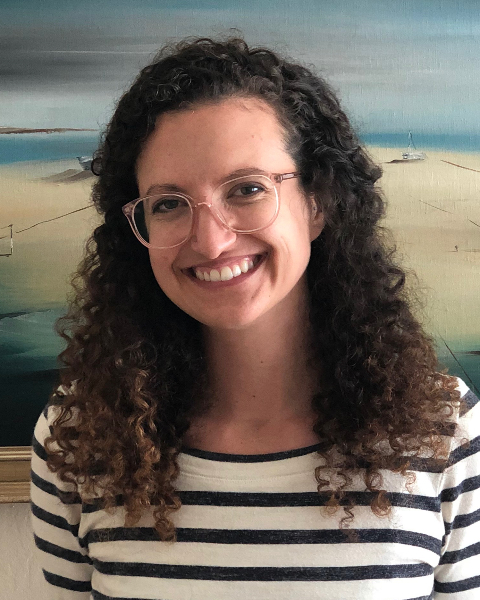
Laurel D. Sarfan, PhD (she/her/hers)
Clinical/Implementation Asst Researcher
University of California, Berkeley
Berkeley, California, United States
Anne E. Milner, Ph.D. (she/her/hers)
Postdoctoral Scholar
University of California, Berkeley
Berkeley, California, United States
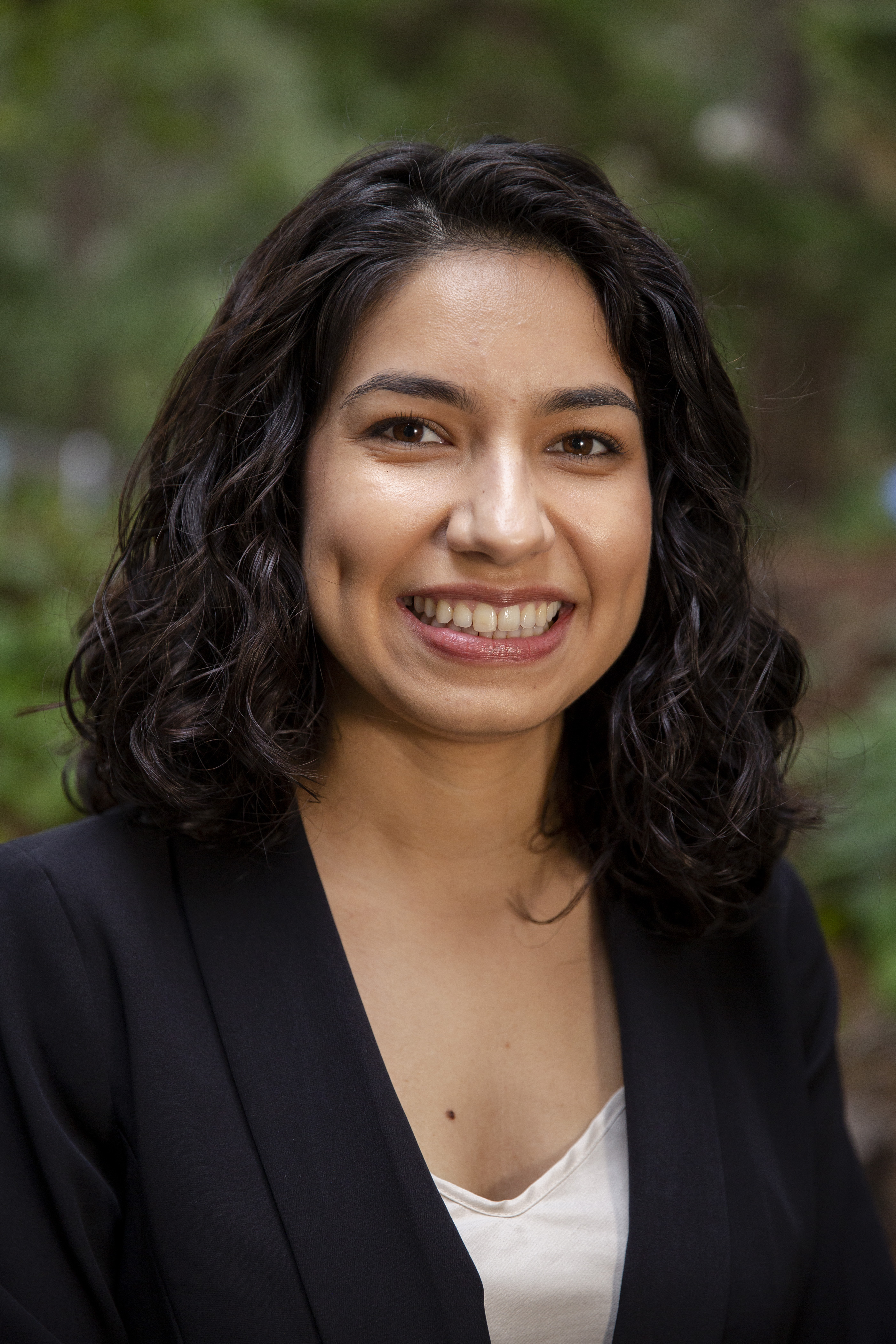
Marlen Diaz, B.A. (she/her/hers)
Clinical Science Graduate Student
University of California, Berkeley
Berkeley, California, United States
Lulu Dong, PhD
Researcher
Stony Brook University
Stony Brook, New York, United States
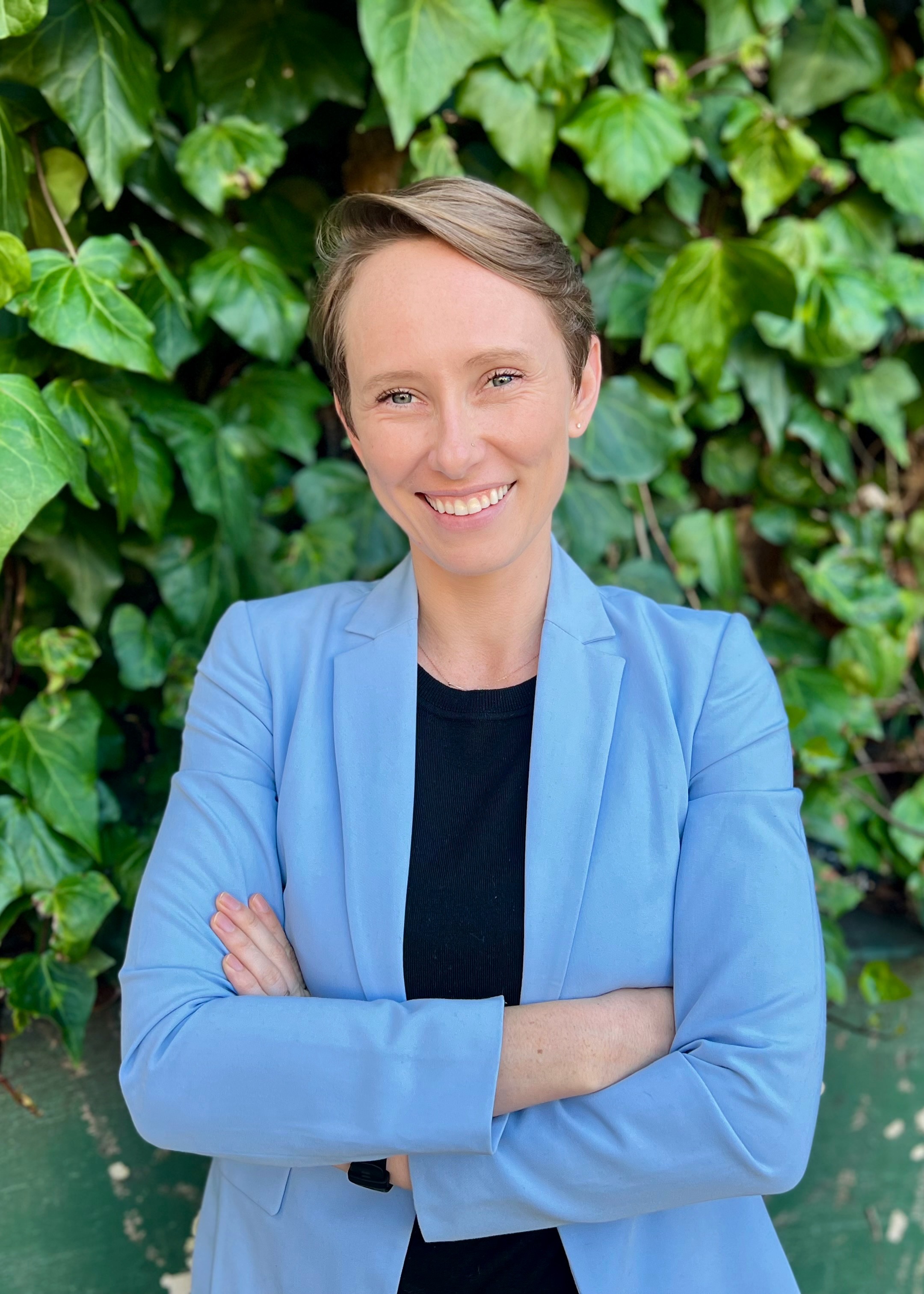
Emma R. Agnew, LCSW
Clinical Research Manager
University of California at Berkeley
SAN FRANCISCO, CA, United States
Rafael Esteva Hache, B.A.
Clinical Psychology PhD Student
Stony Brook University
Lake Grove, NY, United States
Amy Kilbourne, PhD
Researcher
Office of Research and Development
Michigan, Michigan, United States
Eric Stice, Ph.D.
Professor of Psychiatry and Behavioral Sciences
Stanford University
Stanford, California, United States
Julia M. Spencer, B.S.
Graduate Student
University of California Berkeley
Oakland, CA, United States
Daniel Buysse, MD (he/him/his)
Professor
University of Pittsburgh
Pittsburgh, Pennsylvania, United States
Catherine Callaway, M.A.
PhD Candidate
University of California, Berkeley
Berkeley, California, United States
Estephania Ovalle Patino, BA (she/her/hers)
Researcher
UC Berkeley & UCLA
Berkeley, California, United States
Insufficient and mistimed sleep are prominent yet underrecognized contributors to poor mental health. Given the high comorbidity and heterogeneity of sleep and circadian disturbances across mental disorders, we developed the Transdiagnostic Intervention for Sleep and Circadian Dysfunction (TSC), which targets a range of sleep and circadian problems (e.g., insomnia, delayed or advanced phase, nightmares, hypersomnia, CPAP adherence) across mental disorder diagnoses (e.g., bipolar disorder, schizophrenia, depression, anxiety). Following promising university-based research on TSC, we will present the results of a recently completed trial of the implementation of TSC in community mental health centers (CMHCs).
Providers (n = 177) employed in CMHCs delivered TSC to 539 patients diagnosed with a range of mental health disorders. CMHCs are underfunded, with clinicians managing large caseloads, often with limited supervision and little to no reimbursement for training or consultation. Treatments developed in academic settings may be a poor fit for routine care settings like CMHCs, leading providers to decline delivery.
To assess the fit of TSC, we conducted focus groups and end-user meetings. The evidence suggested the Standard TSC required adaptation for CMHC contexts, prompting development of an Adapted TSC guided by theory, data, and stakeholder input. We compared Adapted and Standard TSC in a Hybrid Type 1, cluster-randomized trial across CMHCs in 10 counties.
Using facilitation as the implementation strategy, during the Implementation Phase, UC Berkeley experts trained CMHC clinicians (“Generation 1 providers”). The subsequent Train-the-Trainer phase evaluated a sustainment strategy in which selected community providers trained peers (“Generation 2 providers”). The results indicated that although both versions fit CMHC settings, Adapted TSC showed advantages, including greater uptake and lower dropout. Importantly, TSC was effectively delivered by providers trained by local CMHC trainers.
These findings contribute to the growing evidence that sleep and circadian dysfunction are modifiable pathways to improved mental health and that TSC is effective in community settings, with particular benefits for the adapted version.