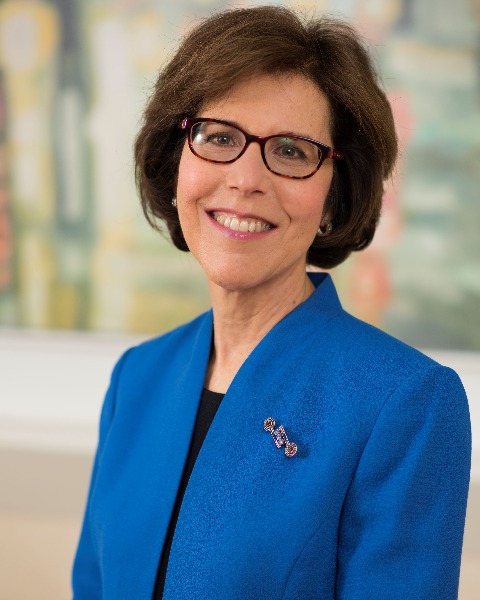
Keynote 20 - How One RCT Sparked a Global CBT Movement
Saturday, June 27, 2026
2:00 PM - 3:00 PM PDT
Location: Foothill C, 2nd Floor
Earn 1 Credit
Keywords: CBT, Evidence-Based Practice, Level of Familiarity: Moderate Recommended Readings: Eysenck, H. J. (1952). The effects of psychotherapy: an evaluation. Journal of Consulting Psychology, 16(5), 319-324. https://doi.org/10.1037/h0063633, Beck, A. T. (1979). Cognitive therapy and the emotional disorders. Penguin., Brennan, J. F., & Houde, K. A. (2022). History and systems of psychology. Cambridge University Press. , ,
President/Clinical Professor Beck Institute for Cognitive Behavior Therapy/University of Pennsylvania Bala Cynwyd, Pennsylvania, United States
Aaron Beck and colleagues created a paradigm shift in the field of mental health. This keynote will describe the major factors involved in the paradigm shift and how CBT is positioned within the broader history of clinical science, how it is methodologically in alignment with modern science and institutions, how its research, practice, and training have evolved to the present day, and what the future may look like. I will answer these questions: What was psychotherapy like before CBT and how did Aaron Beck transition away from psychoanalysis to develop Cognitive Therapy? How did clinical science influence Dr. Beck's work and how was the early practice of CBT different from other psychotherapies? What was the significance of the first randomized controlled trial using Cognitive Therapy? What forces have converged to support evidence-based practice? What was the role of research in the development and refinement of CBT? How did training spread worldwide? How has CBT treatment evolved over the years? What is Recovery-Oriented Cognitive Therapy and why is it important? What might the future hold for CBT?
Learning Objectives:
Describe the paradigm shift from psychoanalysis to CBT.
Describe the role of research in the development and refinement of CBT
Enumerate the ways that CBT and CBT training have evolved.