Traditional Workshop 7 - Preventing and Repairing Ruptures in the Therapeutic Relationship for Clients with Personality Disorders
Saturday, June 27, 2026
9:00 AM - 12:00 PM PDT
Location: Sierra B, 5th Floor
Earn 3 Credit
Keywords: Personality Disorders, Therapeutic Relationship, Level of Familiarity: Moderate Recommended Readings: Beck, J. S. (2011). Cognitive therapy for challenging problems: What to do when the basics don't work. Guilford Press., Moorey, S., & Lavender, A. (Eds.). (2018). The therapeutic relationship in cognitive behavioural therapy. Sage., Steele, J.M. (2025) Racism and African American Mental Health: Using Cognitive Behavior Therapy to Empower Healing. Routledge. , ,
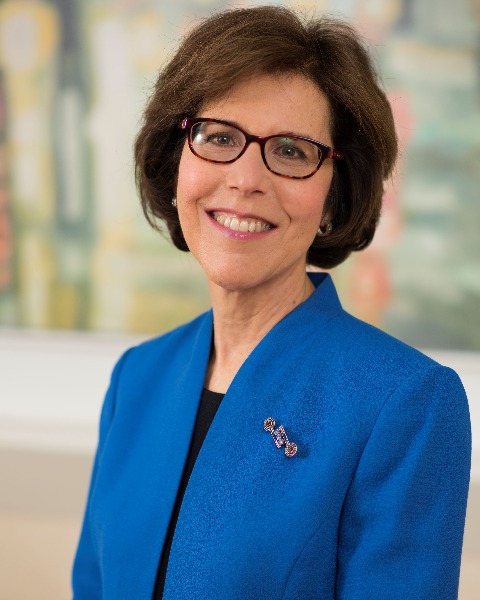
President/Clinical Professor Beck Institute for Cognitive Behavior Therapy/University of Pennsylvania Bala Cynwyd, Pennsylvania, United States
Do you have clients who get angry at you in session, get upset when you gently interrupt them, lie to you, avoid revealing important aspects of their life or history to you, spend session time entertaining you, act superior to you, try to control the therapy session? This list could go on and on. Some patients (and therapists) bring distorted and/or maladaptive beliefs about themselves, their worlds, and other people to the therapy session. Their formative experiences, and the appraisal of their experiences, often lead them to develop certain "rules for living" and associated behavioral strategies, which may be adaptive in certain situations but are maladaptive in other contexts. Their dysfunctional beliefs may become activated in the context of psychotherapy and the therapeutic relationship, and they may employ certain coping strategies which interfere with treatment. Conceptualizing relevant beliefs and strategies is fundamental to planning culturally relevant interventions, both problem-based and strength-based, that can strengthen the alliance and also be generalized to improve relationships outside of therapy. In addition, conceptualizing and addressing difficulties in the therapeutic relationship for groups who have experienced racism or discrimination historically and currently, requires an additional conceptual lens and specific additional strategies to prevent and repair ruptures.
Outline: I. Research on the Therapeutic Relationship a. Importance of strong alliances early in treatment b. Multicultural considerations II. Strategies to Prevent Problems in the Therapeutic Relationship a. Agreement on problem list/goals, treatment plan, and tasks b. Eliciting feedback III. Conceptualizing challenges a. Recognizing maladaptive beliefs and coping strategies relevant to the therapeutic relationship for each personality disorder
b. Using a cognitive conceptualization diagram to identify a clients’ specific maladaptive beliefs and coping strategies IV. Resolving ruptures a. Positive reinforcement for negative feedback and apology when therapist has made a mistake
c. Eliciting data about the rupture in the form of the cognitive model and evaluating clients’ interpretation of event(s) leading to the rupture
V. Avoiding negative reactions to clients a. Predicting one’s own negative reactions b. Identifying and responding to own maladaptive expectations or negative cognitions c. Practicing mindful self-awareness in and between sessions
Learning Objectives:
Conceptualize problems in the therapeutic relationship, particularly with clients with personality disorders, according to the cognitive model.
Use a variety of interventions to prevent and repair ruptures in the therapeutic relationship.
Conceptualize and vary treatment to build strong therapeutic relationships with clients who have been negatively impacted by racism and discrimination.