


Neurodevelopmental and Autism Spectrum Disorders
Russell Ramsay, Ph.D. (he/him/his)
Psychologist
independent practice
Sellersville, Pennsylvania, United States
Laura Knouse, Ph.D. (she/her/hers)
Professor of Psychology
University of Richmond
Richmond, Virginia, United States
Carlos López-Pinar, Ph.D. (he/him/his)
Senior Lecturer
European University of Valencia
Valencia, Comunidad Valenciana, Spain
Russell Ramsay, Ph.D. (he/him/his)
Psychologist
independent practice
Sellersville, Pennsylvania, United States
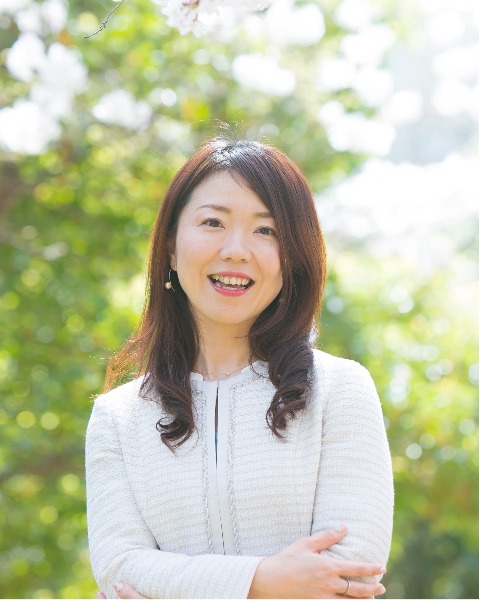
Misuzu Nakashima, Ph.D., Psy.D. (she/her/hers)
researcher
Kyushu University
Fukuoka, Fukuoka, Japan
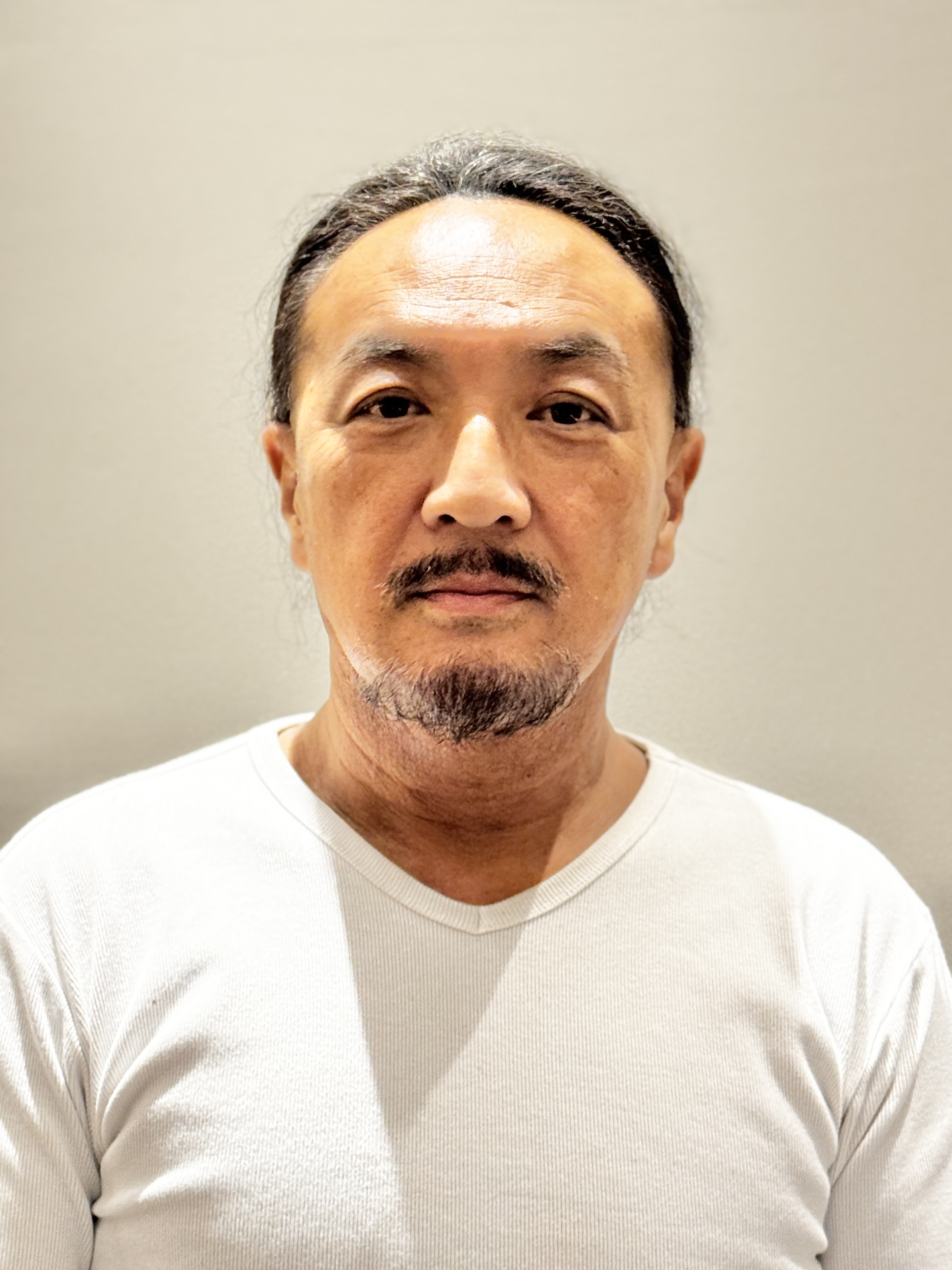
Tsuyoshi Oguro, M.A. (he/him/his)
CEO
Free Style Psychological Counseling Office
Fukuoka city, Fukuoka, Japan
Junichiro Kanazawa, Ph.D. (he/him/his)
Health Sciences University of Hokkaido
Sapporo, Hokkaido, Japan
Attention-Deficit/Hyperactivity Disorder affects approximately 2.5% of adults worldwide, causing pervasive functional impairment across occupational, social, and personal domains. While pharmacological treatments remain first-line, their limitations underscore the need for evidence-based psychosocial interventions. Cognitive-behavioral therapy (CBT) has emerged as the most extensively studied psychosocial treatment for adult ADHD, yet critical questions remain: Does CBT improve real-world functioning beyond symptom reduction? What cognitive mechanisms underlie ADHD impairment? Do gains persist long-term? Can CBT be adapted across cultures and extended to related populations?
This international symposium addresses these questions through integrated research spanning three continents, combining meta-analysis, longitudinal follow-up, cognitive mechanism identification, forensic application, and caregiver intervention. Researchers from Spain, Japan, and the United States present complementary evidence advancing CBT implementation globally.
The symposium establishes the evidence base through comprehensive meta-analytic synthesis demonstrating that CBT produces robust effects on both ADHD symptoms and—critically—real-world functioning, with effects strengthening over time. This challenges traditional symptom-focused approaches and highlights functioning as a primary treatment target. Building on this foundation, the symposium examines cognitive mechanisms underlying ADHD impairment, identifying a specific triad of distorted thought patterns serving as therapeutic targets and explaining individual differences in treatment response.
Addressing a crucial gap concerning long-term outcomes, the symposium presents the longest follow-up study conducted to date, revealing potential deterioration of gains over time but promising maintenance strategies through digital booster interventions, with direct implications for treatment design and stepped-care models.
The symposium then extends CBT evidence to challenging populations and cultural contexts. Forensic application in Japanese juvenile correctional settings demonstrates effective adaptation for ADHD-affected sexual offenders when integrated with neurodevelopmentally informed modifications. Finally, examination of CBT's extension to caregivers shows that core CBT components—particularly problem-solving skills—independently reduce parenting stress in mothers of children with neurodevelopmental disorders.
The presentations comprise: (1) meta-analysis establishing CBT efficacy across symptoms and functioning (N > 5,000), (2) identification of a cognitive triad specific to adult ADHD (N = 370), (3) 8-year follow-up examining maintenance and digital boosters (N = 48), (4) forensic application in Japanese correctional settings (N = 40), and (5) examination of problem-solving in mothers of children with neurodevelopmental disorders (N = 149).
Together, these provide comprehensive perspective spanning efficacy, mechanisms, durability, cultural adaptation, and extension to related populations, offering actionable evidence for clinicians implementing CBT for adult ADHD.
Speaker: Carlos López-Pinar, Ph.D. (he/him/his) – European University of Valencia
Speaker: Russell Ramsay, Ph.D. (he/him/his) – independent practice
Co-Author: Brad Rosenfield, PsyD (he/him/his) – PCOM
Co-Author: Robert DiTomasso, PhD (he/him/his) – PCOM
Co-Author: Morgan Hagner, PhD (she/her/hers) – PCOM
Co-Author: Craig Strohmeier, PsyD (he/him/his) – Rutgers Robert Wood Johnson Medical School
Co-Author: Russell Ramsay, Ph.D. (he/him/his) – independent practice
Speaker: Misuzu Nakashima, Ph.D., Psy.D. (she/her/hers) – Kyushu University
Co-Author: Carlos López-Pinar, Ph.D. (he/him/his) – European University of Valencia
Speaker: Tsuyoshi Oguro, M.A. (he/him/his) – Free Style Psychological Counseling Office
Speaker: Junichiro Kanazawa, Ph.D. (he/him/his) – Health Sciences University of Hokkaido