In-Congress Workshop 28 - TEAM-CBT for Shame and Anxiety: A Blueprint for Helping Your Patients Heal
Saturday, June 27, 2026
2:00 PM - 5:00 PM PDT
Location: Pacific C, 4th Floor
Earn 3 Credit
Keywords: Cognitive Therapy, Change Process / Mechanisms, Transdiagnostic Recommended Readings: Ciarrochi, J., Fraser, M. I., Gloster, A. T., Hernández, C., Hill, D., Ong, C., Sahdra, B. K., Yap, K., Hofmann, S. G., & Hayes, S. C. (2024). Process-based therapy: A common ground for understanding and utilizing therapeutic practices. Journal of Psychotherapy Integration, 34(3), 265–290., Burns, D., Westra, H., Trockel, M., & Fisher, A. (2013). Motivation and changes in depression. Cognitive Therapy and Research, 37, 368-379., Moscovitch, D. A., Hofmann, S. G., Suvak, M. K., & In-Albon, T. (2013). Shame and guilt in social anxiety disorder: Effects of cognitive behavior therapy and association with social anxiety and depressive symptoms. Behaviour Research and Therapy, 51(2), 86–94., ,
Toxic shame is one of the most powerful and disabling emotional experiences faced by individuals with anxiety, depression, and interpersonal difficulties. It fuels avoidance, perfectionism, self-criticism, social anxiety, therapeutic resistance, and more. Shame often leads to years of stalled progress and social isolation—even among highly motivated and accomplished patients.
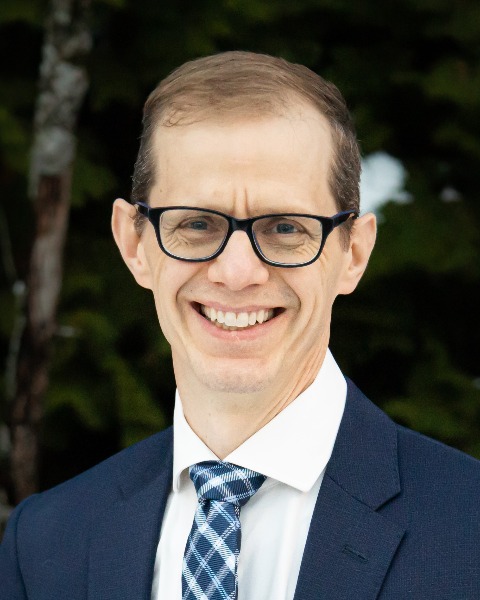
This In-Congress Workshop presents a compelling and practical demonstration of how TEAM-CBT, a sophisticated process-based therapy can rapidly and compassionately resolve shame and anxiety, even in long-standing cases. Dr. David Burns and Dr. Jill Levitt will guide participants through a complete, single-session treatment of “Melanie,” a prominent and beloved mental health professional who has struggled with intense shame, anxiety and inadequacy for nine long years. Using vivid video clips and didactic teaching, the workshop illustrates how precise assessment, deep empathy, strategic work with resistance, and powerful methods can lead to dramatic and enduring change within two hours. Participants will learn how TEAM CBT skills can bring both outcome and process resistance into conscious awareness, and transform resistance into powerful motivation for change. The workshop emphasizes how to use advanced role-playing techniques to target the distorted thoughts and self-defeating beliefs that keep people stuck.
Core TEAM-CBT interventions will be demonstrated and practiced, including Positive Reframing, the Paradoxical Double Standard Technique, Externalization of Voices, and cognitive and behavioral exposure methods specifically designed to reduce shame. Attendees will engage in small breakout groups to practice skills and receive feedback, enhancing clinical confidence and mastery. By the end of the session, participants will have a clear blueprint for helping patients overcome toxic shame rapidly, compassionately, and effectively.
Learning Objectives:
Describe why measurement is absolutely essential to effective therapy
Describe the differences between outcome resistance and process resistance
Describe how Positive Reframing helps to reduce resistance
Identify at least two cognitive distortions commonly found in shame-based thinking
Describe two common self-defeating beliefs that trigger and maintain toxic shame
Describe the purpose of the Paradoxical Double Standard Method
Goal: Increase effectiveness in reducing shame using evidence-based CBT methods.
Goal #2
Enhance clinician skill in addressing resistance and accelerating therapeutic change.



.jpg "Jill Levitt, Ph.D. photo")